


Introduction
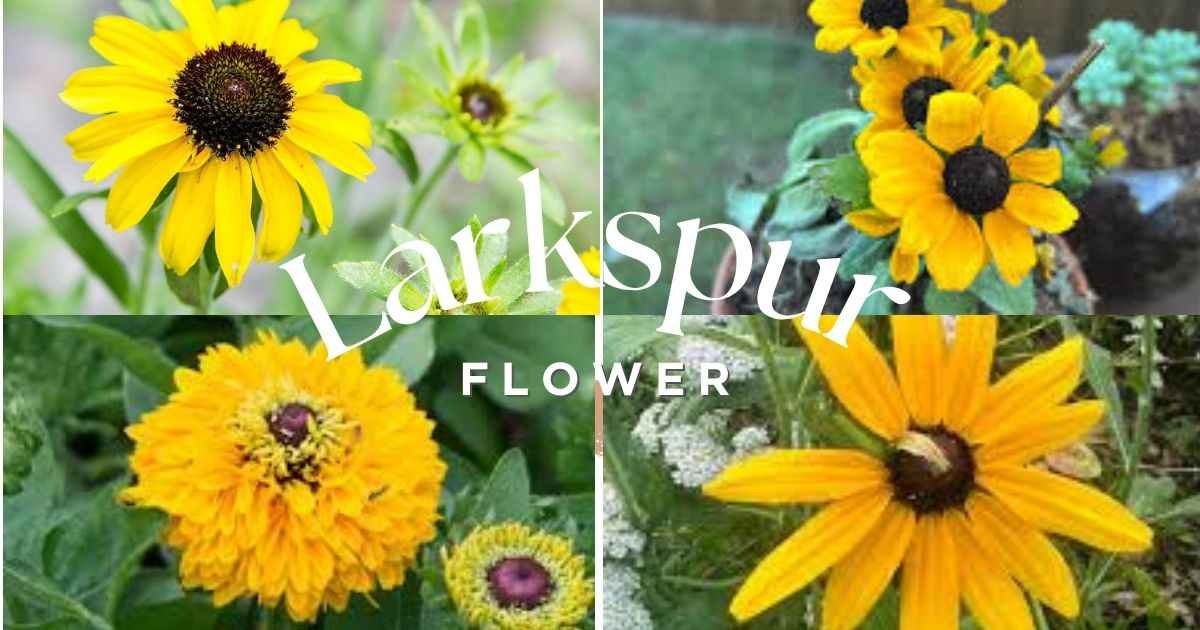
Black eyed susan seeds are one of the easiest and most rewarding ways to grow cheerful, golden flowers in your garden. Black-eyed Susans display sunny yellow petals with dark centers, creating a natural, warm appearance that enhances landscapes, borders, and wildflower gardens throughout the United States.
Both novice and experienced gardeners can cultivate this plant’s seeds, as the process remains affordable and straightforward. This post teaches you about the optimal planting time and proper growing techniques, as well as the effective collection and application methods for black eyed Susan seeds. For more information click here.
What Do Black Eyed Susan Seeds Look Like?
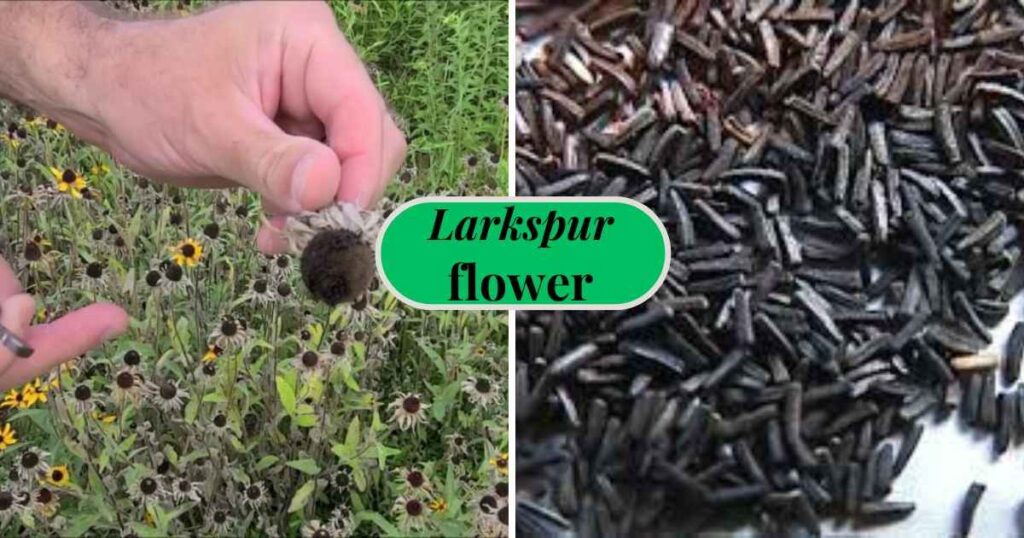
If you’re wondering what black eyed susan seeds look like, they are:
- The seeds are tiny and narrow.
- The seeds range in color from dark brown to black.
- The seeds have a slightly elongated shape and a rough surface.
The seeds’ size allows gardeners to scatter them directly into garden beds.
Black Eyed Susan Seeds: When to Plant
Timing establishes the right moment for successful plant development.
Understanding when to plant black-eyed susan seeds helps ensure strong, healthy plants.
Best Planting Times
- Spring: After the last frost for summer blooms
- Fall: Before winter for natural germination
Many gardeners prefer planting black eyed susan seeds in the fall because this mimics native seed dispersal patterns, which promote earlier springtime flowers.
Anyone can plant these seeds because they require no complex skills.
Tips for Planting
- Select a sunny area
- Make well-drained soil
- Spread seeds on the surface
- Spread seeds gently into the soil
- Water should be applied lightly at regular intervals throughout the process
The seeds require light for germination, so people should avoid covering them with too much soil.
Collection and Distribution of Black Eyed Susan Seeds
The analysis of data shows that black-eyed Susan seeds can be scattered, as this method offers multiple advantages for seed distribution.
Advantages of Black Eyed Susan Seeds Distribution
The method of scatter planting creates three advantages because it.
Advantage:
The first advantage of the method is that it creates a natural appearance that resembles wildflower growth. The method helps save both time and labor. This method creates a natural appearance resembling a meadow.
Your mission involves collecting Black Eyed Susan seeds through these steps.
The method requires you to wait until the flowers have fully bloomed and turned dry.
The method requires you to cut the seed heads off the plant. The method requires you to let the material dry completely.
The method allows you to break seed heads into pieces through gentle force. The method requires you to keep the seeds in a location that remains both dry and cool.
The process of collecting black eyed susan seeds will provide you with a permanent supply of seeds, which you can use during future planting seasons.
Harvesting
The optimal time for seed harvesting is between late summer and early fall, when seed heads reach the brown, dry stage of development. The seeds will be underdeveloped when collected before their optimal harvesting period.
Popular Varieties to Grow
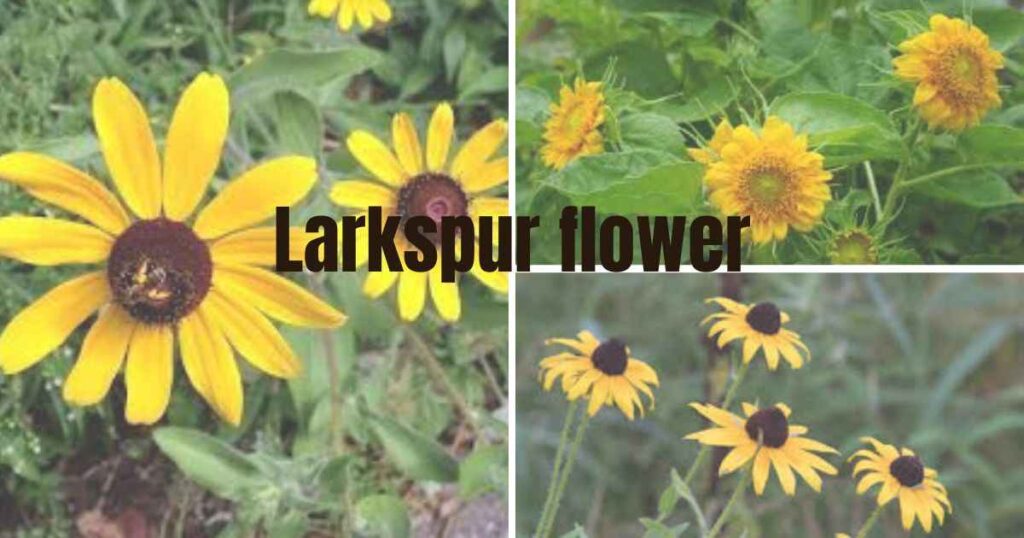
There are several beautiful varieties to consider when choosing seeds.
Top Options
- Cherry Brandy Black-Eyed Susan Seeds – rich red tones
- Classic yellow Black eyed Susans
- Small-sized varieties are ideal for small areas
Cherry brandy black eyed susan seeds are ideal for beautiful small gardens.
Where to Buy Black Eyed Susan Seeds
You can search for high-quality seeds with various options.
Buying Options
- Local garden centers
- Online seed stores
- Seasonal plant sales
You can also search for:
- Black eyed susan seeds for sale
- Black-eyed Susan seeds bulk for larger planting projects
- Black eyed Susan seeds, Amazon, for convenience and variety
The best results from planting require fresh seeds that maintain high-quality standards.
The initial growth phase of Black eyed Susan plants requires no maintenance work.
Basic Tips
- The plant needs to receive six to eight hours of direct sunlight each day to reach its full growth potential.
- The plant requires water, which should be given in moderate amounts, and overwatering must be avoided
- The requirement is to use soil that has proper drainage capabilities
- The gardeners should deadhead flowers to create more blooming flowers
Mistakes to Avoid:
The three errors:
- Too Deep Planting
- Over-irrigated Seeds
- Poorly Soil
- Less sunlight needs to be avoided.
Avoiding these mistakes will allow your flowers to bloom.
Black Eyed Susan Seeds Advantages
The flowers provide both appealing and practical advantages. The flowers provide both appealing and practical advantages.
Benefits
- The plants attract pollinators, which include both bees and butterflies
- The plants require no irrigation after they reach their mature state
- The plants function effectively as border plants and wildflower garden elements
- The plants produce flowers throughout an extended period
The plants serve as an excellent choice for sustainable garden design.
Conclusion
Black eyed Susan seeds are a good choice for plant growers seeking vibrant flowers that require little upkeep. The plant provides gardeners with an easy way to grow plants, offering a complete hand-holding system that shows the proper time to sow seeds and methods for collecting seeds.
Your outdoor space will expand with black-eyed Susans, which thrive in wildflower areas and help define borders each year.
