

Introduction
The rose mallow hibiscus is one of the most beautiful flowers gardeners can cultivate. The plant produces large blossoms, along with its tropical aesthetic, creating beautiful decorative features that enhance outdoor spaces across the United States. The plant has an exotic appearance yet is easy to grow and maintain, attracting both plant growers and experienced horticulturists.
This article provides comprehensive information on rose mallow hibiscus maintenance, including planting procedures and care methods, as well as the most popular plant types and the most frequently asked questions.
Rose Mallow Hibiscus
The rose mallow hibiscus describes the hardy hibiscus species. This plant is a North American native, and hardy hibiscus can withstand cold weather.
Key Characteristics
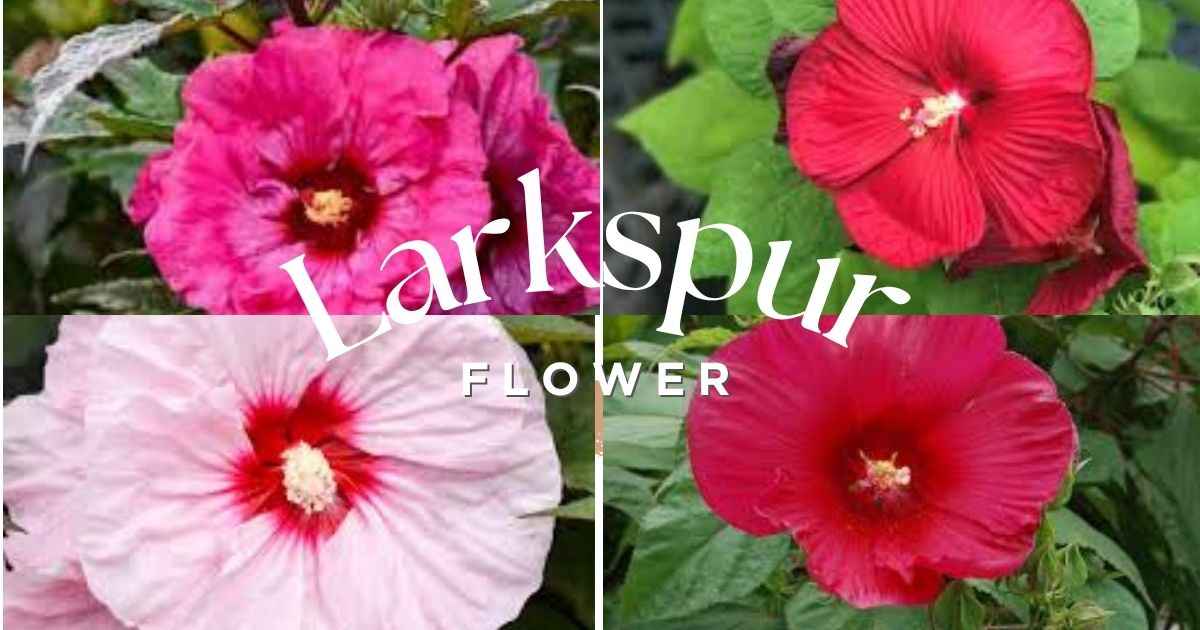
The plants produce large flowers that measure 6 to 12 inches across. The plants display bright colors, including red, pink, and white. The plants exhibit a tall growth pattern that develops into a bushy shape. The plants bloom during their blooming period, which starts in late summer.
Rose Mallow and Hibiscus
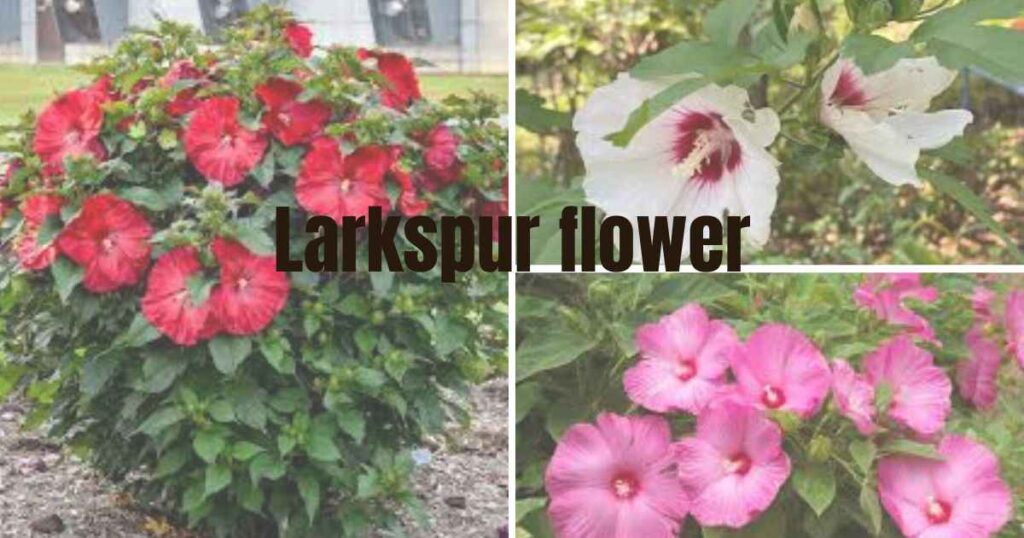
The rose mallow varieties possess these features, which make them valuable plants for all types of gardens. Garden lovers seek to understand the features that differentiate rose mallow from hibiscus varieties. The rose mallow is a type of hibiscus, especially a hardy variety.
The two plant species differ in size and growth habits. Rosemallow plants can withstand winter cold, but they will die back to the ground before spring. The plant grows best in warm conditions year-round, which leads most people to cultivate it indoors in spaces that maintain lower temperatures.
The rose mallow hibiscus is a hibiscus species with both hardiness and cold resistance.
The Size and Growth Patterns of Rose Mallow Hibiscus.
The size of rose mallow hibiscus plants determines how you should design your garden space.
Typical Growth Size
- Height: 3 to 7 feet
- Width: 2 to 4 feet
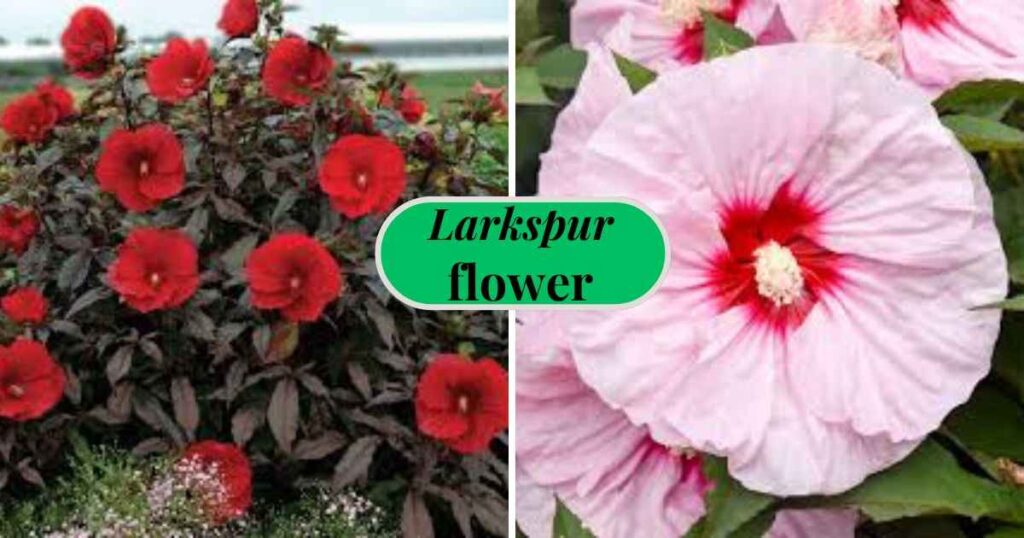
The midnight marvel hibiscus, a popular variety, produces deep red flowers that contrast with its dark foliage, creating attractive visual displays.
The plants create focal points in garden beds with their tall stature and striking flower displays.
Popular Rose Mallow Varieties
Rose mallow plants display their beauty through a range of attractive varieties that produce a variety of colors and growth patterns.
Top Varieties to Consider
- Midnight Marvel Hibiscus – deep red flowers with dark leaves
- Swamp Rose Mallow Hibiscus – thrives in wet areas
- Pink and white hybrid varieties
The swamp rose mallow hibiscus plant is a perfect choice for rain gardens and sites with damp soil.
Many gardeners are curious about how rose mallow and hibiscus differ. The rose mallow is a type of hibiscus, specifically a hardy cultivar.
The process of cultivating rose mallow hibiscus plants requires less effort than it first appears. The plants will produce beautiful flowers every year when given proper growing conditions.
Soil and Light
- The plants prefer well-drained soil with good moisture retention.
- The plants grow well with 6 to 8 hours of direct sunlight.
Watering Needs
- The soil needs to be kept in a state that maintains continuous moisture
- The soil should not reach complete dryness.
Rose Mallow Hibiscus Care Tips
Correct care procedures for rose mallow hibiscus plants promote healthy growth and colorful flower development.
Basic Care Guidelines
- Water the plants regularly because hot weather increases their water needs.
- The spring season needs a balanced fertilizer application.
- The application of mulch is necessary to maintain soil moisture.
- The proper time to trim stems is during late fall or early spring.
- The plants need minimal maintenance because they resist deer and most pests, making them ideal for gardens that require low upkeep.
Growing from the Seeds
If rebelling-defiant is your way of enjoying seed growing, the rose mallow hibiscus can be an ideal seed.
Growing Tips for Seeds
- Start sowing seeds indoors at least 6-8 weeks before the last frost.
- Emergence provides warmth to seedlings.
- Seedlings should be kept outside after the final frost.
Expanding your garden by growing from seeds is associated with the virtue of patience, but take delight in the beauty of nature that rewards the time and effort you put into caring for it.
People who want to buy rose mallow plants should visit stores that sell ready-to-grow plants.
The following buying options are available:
Where to Buy Rose Mallow Hibiscus
You can also search for rose mallow hibiscus for sale online to find a wide selection of healthy plants and unique varieties.
Does Rose Mallow Spread?
The plant requires sufficient space because it grows slowly. The robot requires all-terrain access to operate because its design allows it to traverse various surfaces. The engine needs particular space to operate efficiently. The growing area must be cleared because insects use it for hiding. The playground needs space to accommodate the children who will play there.
Designing with Rose Mallow Hibiscus
The Rose mallow hibiscus functions as an exceptional design element for various landscape design projects.
- The first garden design idea establishes a primary focal point that garden designers should incorporate into their flower beds.
- The second design recommendation suggests combining the Royal Burgundy rose with ornamental grasses.
- The third design recommendation suggests planting the Royal Burgundy rose near water features to create an authentic, natural appearance. Its vibrant flowers create a striking contrast with other summer blossoms while they bring a tropical atmosphere to outdoor environments.
Problems
Hardy hibiscus plants grow easily.
- Challenges
- Overwatering causes yellowing of leaves.
- Lack of blooms due to insufficient sunlight
- Pest issues like aphids
Conclusion
The Rose Mallow Hibiscus plant is a dependable garden plant that produces stunning visual effects with its beautiful appearance. The plant shows different dimensions across its various rose mallow varieties, which display a range of characteristics alongside their attractive flowers.
The plant requires seed propagation and the purchase of mature plants for its growth, which requires proper maintenance to achieve long-lasting, beautiful blooms. The rose mallow hibiscus plant is the best option for plant enthusiasts who want to create an attractive landscape with minimal effort in plant maintenance.
FAQ about Rose Mallow Hibiscus.
Does the rose mallow come back every year?
The plant will return to life in each following year after it dies during the winter season.
Is rose mallow a perennial or an annual?
The plant exhibits its perennial nature, as it dies during winter and regrows in spring.
Rose mallow hibiscus is a perennial plant that survives in most U.S. climatic conditions, including USDA zones 4 to 9.
Does rose mallow hibiscus spread?
The plant exhibits slow expansion through clumping growth while maintaining non-invasive characteristics, making its management in garden areas easier.
