


Introduction
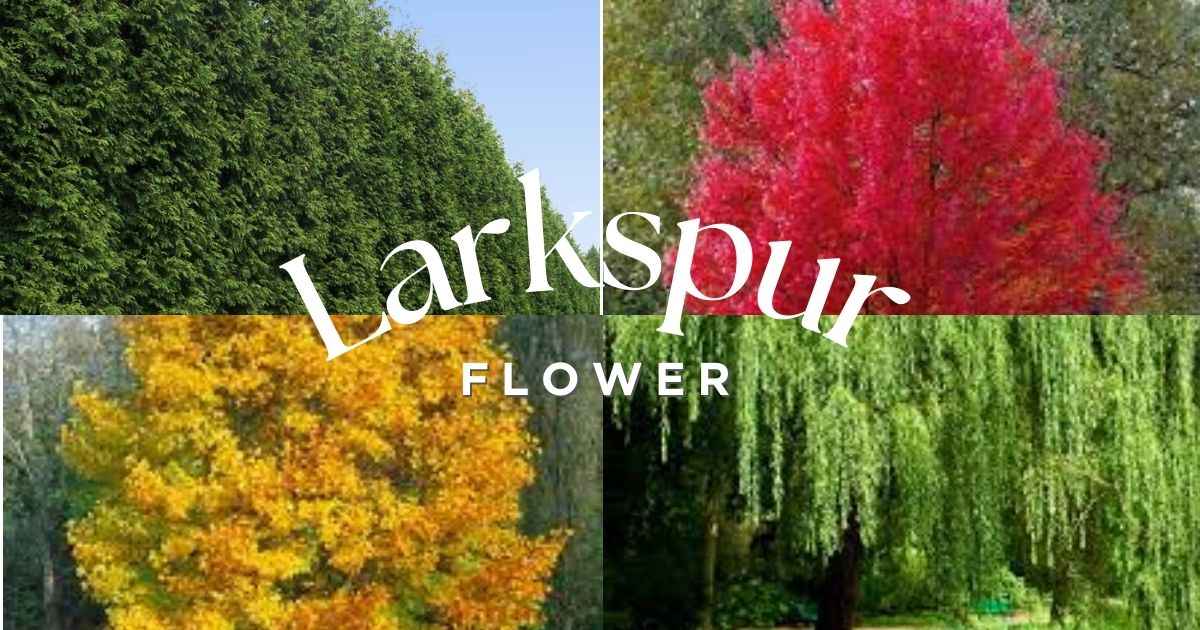
Whether you are looking for a fastest growing trees or just a plant to liven up your desert home, then cacti are an easy choice. If you’re in search of quick shade, natural privacy, or a future full of lumber, these trees grow incredibly fast and can put on 10 feet or more in just one year during the early years. Whether you live in a city or the countryside, smooth-barked trees are fast-growing, reliable options for adding beauty and shade to your surroundings, provided you select native species suitable for your climate and intended use.
In this article, you can learn about the top 10 fastest-growing trees, the world’s fastest-growing tree, and which trees are best for several different U.S. regions.
What Is a Fast Growing Tree?
A fast-growing tree is generally categorised by its growth rate. Most quick-growing trees grow 3 to 5 feet per year, depending on the species, but some speedy growers add more than 1/2 an inch per day under optimal conditions.
Factors Impacting the Speed of Growing
- Climate and temperature
- Soil quality and drainage
- Water availability
- Sun exposure
- Tree species and genetics
Selecting trees adapted to your area is the most effective way to achieve strong, healthy growth.
Top 10: Fastest Growing Trees for Your Home Landscapes
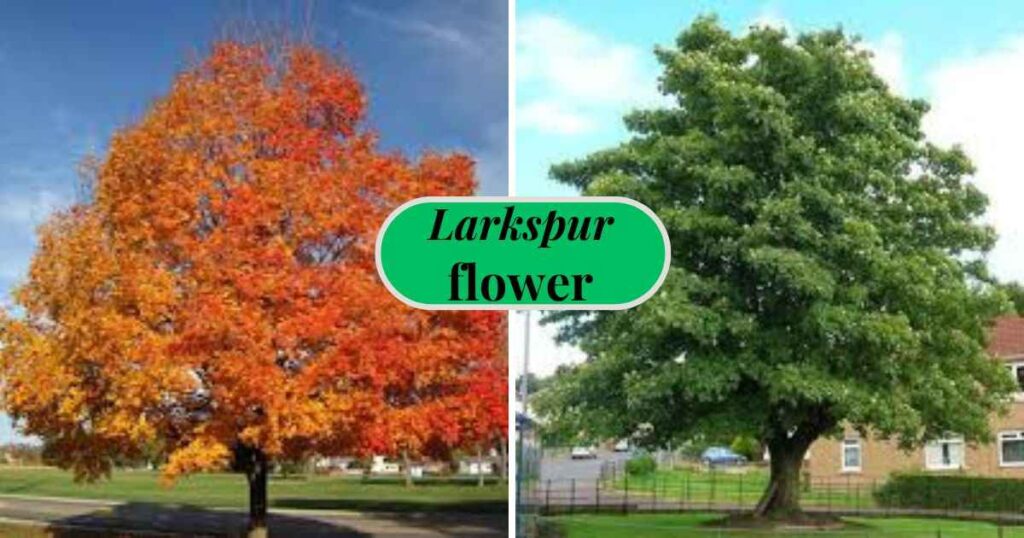
- Hybrid Poplar
- Weeping Willow
- Silver Maple
- Green Giant Arborvitae
- Tulip Tree
- River Birch
- Dawn Redwood
- Leyland Cypress
- Red Maple
- American Sycamore
All of these trees offer rapid height growth and other benefits, such as shade, screening, or ornament.
Fastest Growing Trees for Privacy
If privacy is the primary objective, then evergreen trees are usually a good call. One of the fastest-growing trees for privacy is the green giant arborvitae.
Green Giant Arborvitae
- Grows 3–5 feet per year
- Dense evergreen foliage
- Excellent wind and noise barrier
- Low maintenance once established
Other solid privacy choices: Leyland cypress and hybrid poplar, both popular for living fences.
Fastest Growing Trees for Shade
If cooling your garden is your concern, go for wide-canopy species. The following shade trees are among the fastest-growing.
- Tulip Tree
- Silver Maple
- American Sycamore
- Red Maple
These fast-growing trees grow tall and typically spread wide, providing relief from the summer sun while also reducing energy costs.
Fastest Growing Trees for Lumber
Some landowners grow quick-growing trees on their land for long-term harvesting. Some of the fastest growing trees to plant for lumber:
- Hybrid Poplar
- Paulownia
- Eucalyptus (in warmer climates)
These species are fast-growing and produce workable wood more quickly than hardwoods.
Fastest Growing Trees by Region
The Quickest Growing Trees In And Around Washington, DC
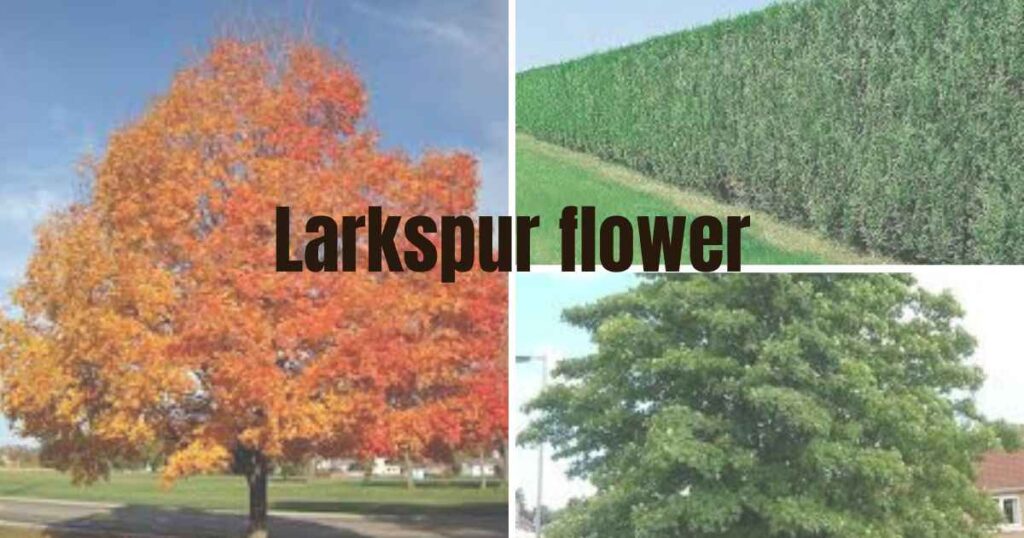
In the mid-Atlantic climate, faster-growing trees near Washington, DC, include tulip trees, red maples, and green giant arborvitae. These trees do well with seasonal changes and grow rapidly in the native soil.
Fastest Growing Trees Near Maryland
A similar situation surrounds the fastest-growing trees near Maryland, with both river birch, hybrid poplar, and dawn redwood all doing very well.
Fastest Growing Trees in Michigan
In cooler areas, the fastest-growing trees Michigan landscape enthusiasts favour are silver maple, hybrid poplar, and frost-tolerant spruce species.
Fastest Growing Trees in Texas
What are the fastest growing trees in Texas? In warmer areas, live oak, cedar elm, Eucalyptus, and Arizona ash are among the fastest-growing species that can withstand heat.
The Fastest-Growing Tree in the World
The title of the world’s fastest-growing tree is held by a particular species of the genus Eucalyptus and one of its Australian counterparts, the Australian Paulownia. Trees can actually grow as fast as 10 feet a year in ideal conditions, nipping at the heels of the fastest-growing plant on earth (bamboo).
Of particular interest are the large leaves of Paulownia and its rapid adventitious trunk-wood development, which contribute to its current application in wood production and reforestation.
How Fast-Growing Trees Stack Up Against the World’s Fastest-Growing Plant
The conclusion is that, in general, the fastest-growing plant is bamboo; it can grow several feet in a single day. But trees offer long-term payoffs that fast-growing plants can’t match, through shade, carbon storage, and property value.
Fastest Growing Trees Pros and Cons
Benefits
- Quick shade and privacy
- Faster landscaping results
- Reduced soil erosion
- Higher property appeal
Potential Drawbacks
- Shorter lifespan for some species
- Weaker wood in certain trees
- High water requirement during the initial stage of growth
Selecting the right species helps strike a balance between speed and durability.
Conclusion
If you want to completely change the look of your yard, planting fastest growing trees is one of the quickest solutions. And whatever the reason, whether you’re looking for the fastest growing trees for privacy, shade, or just to cut down for lumber, we’ve got 16 of them right here that will suit your needs. Do these trees grow fast! Fastest-growing trees near me. If you want a regional consideration in deciding what kind of tree is best for you, such as the fastest-growing trees near Washington D.C., Michigan, Texas, etc., there’s a perfect tree out there waiting! And with good stewardship and smart selection of the right tree for the spot, these trees provide fast beauty, function, and long-term value.
FAQs About Fastest-Growing Trees
What is the world’s fastest growing tree?
Hybrid poplar is often called the fastest-growing tree for home landscapes, growing 5 feet per year.
What is the world’s fastest growing tree?
The title of the world’s fastest-growing tree is held by certain eucalyptus and paulownia species, in optimal conditions.
Are fast-growing trees suitable as privacy screens?
Many of the fastest growing trees for selection, like green giant arborvitae, create lush, natural screens.
What are the best fast-growing shade trees?
Some of the fastest-growing shade trees include silver maple, tulip tree, and sycamore.
Are fast-growing trees weak?
Some fast-growing trees do, but selecting sturdy types and caring for them properly can minimize that.
