


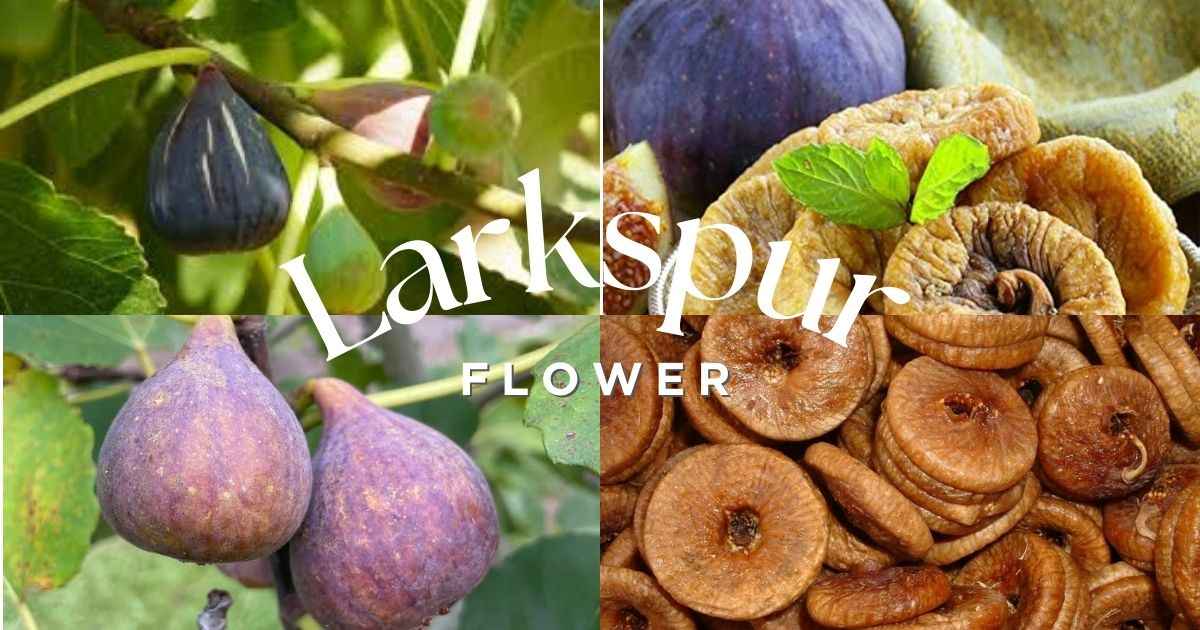
When are figs in season? Fresh figs are in season from June through October in most of the United States, with the sweetest and most plentiful harvest arriving in August and early September. Fig trees actually produce two separate harvests each year.
The first, called the breba crop, ripens in late spring and early summer. The second, known as the main crop, ripens from late summer into fall and is usually larger, sweeter, and more widely sold. If you only remember one thing from this guide, remember this: late summer is your window, and August is the month to circle on your calendar.
That said, the real answer is a little more layered than a single date range, because fig season shifts depending on where you live, which variety you are chasing, and whether you want fruit fresh off the tree or the dried kind that sits in your pantry all year.
Let’s walk through all of it, piece by piece, so you know exactly when to start checking your local market and what to look for once you get there.
Read More: When Is Fig Season: Discover the Sweetest Time to Enjoy Figs
Why Fig Season Feels So Short and So Confusing
Anyone who has ever fallen in love with a perfectly ripe fig knows the frustration that follows. One week the farmers’ market table is overflowing with soft, honeyed fruit, and a few weeks later the whole stand has vanished.
This is not your imagination, and it is not bad luck either. Figs are genuinely one of the more temperamental fruits when it comes to timing. Unlike apples or oranges, which tend to show up in stores for months at a stretch, fresh figs are only good for a few days after they ripen.
They do not continue to sweeten once picked; they bruise if you look at them wrong, and they simply do not hold up to long-distance shipping the way sturdier fruits do. That fragility is exactly why fig season feels so fleeting. Growers have to pick figs at the perfect moment, and then those figs have to reach your table within a couple of days or the quality drops fast.
Add to that the fact that fig trees do not follow a single, tidy growing calendar. Depending on the variety planted and the climate it is grown in, a single tree might give you fruit twice in one year. With a quiet gap in between where there is simply nothing to pick. Understanding that rhythm is the key to understanding fig season as a whole, so let’s start there.
What Exactly Is a Fig, Botanically Speaking
Before diving into dates and regions, it helps to know what you are actually dealing with. A fig comes from the fig tree, known scientifically as Ficus carica, a species that has been cultivated by humans for thousands of years, likely even before wheat and barley were domesticated in the Jordan Valley. That is a remarkably long relationship between people and a single fruit tree.
Here is the part that surprises most people: a fig is not technically a fruit in the traditional sense at all. It is actually a cluster of tiny flowers that bloom inside out, folded inward on themselves and enclosed by that familiar teardrop-shaped skin.
What you think of as the crunchy little seeds inside a fig are technically the fertilized flowers themselves. This inside-out flowering structure is also why figs have such an unusual, almost jammy texture compared to other fruit, and why their flavor can range from honeyed and mild to deep, almost wine-like richness depending on the variety.
Figs are enjoyed fresh off the tree, dried into that familiar chewy snack found in every pantry, baked into desserts, tossed into salads with goat cheese and walnuts, or paired with cured meats and cheese boards. Their versatility is part of what makes fig season something people genuinely look forward to every year.
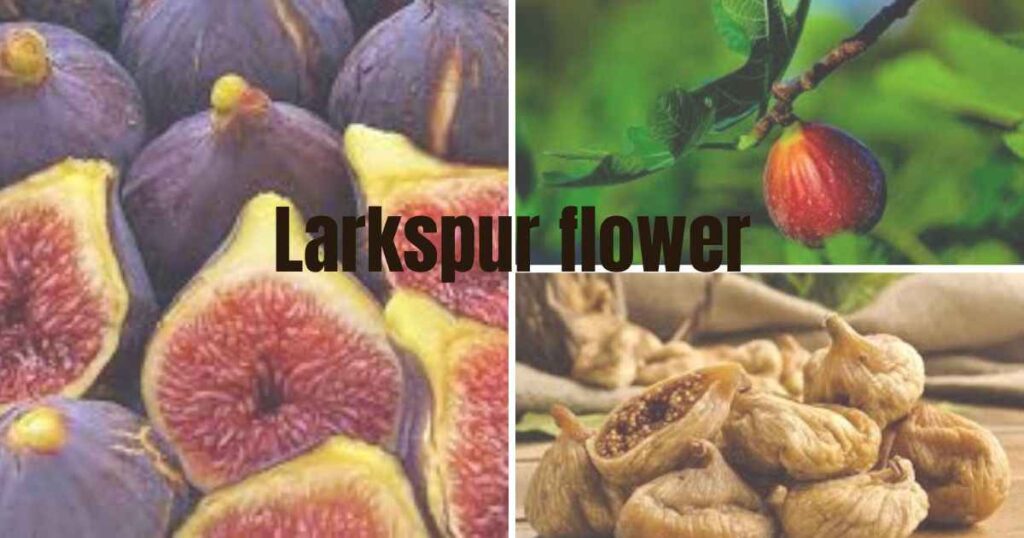
The Two Fig Harvests: Breba Crop and Main Crop
If you take away only one concept from this entire guide, let it be this one, because it explains almost every confusing thing about fig timing.
Many fig varieties, especially the ones grown commercially in warm climates, produce fruit twice in a single growing season.
The breba crop
The breba crop arrives first, typically in late spring through the beginning of summer, sometime between May and July depending on your climate. This crop grows on wood that developed during the previous year, meaning the buds for this fruit were essentially already sitting on the tree over winter, waiting for warm weather to trigger ripening.
The breba crop tends to be smaller in overall volume, and the individual figs are often a bit larger, though many growers and fig lovers feel this first harvest is slightly less concentrated in sweetness than what follows later in the year.
The main crop
The main crop is the one most people associate with real fig season. It grows on new wood that the tree produces during the current growing season, and it ripens from late summer into fall, generally August through October, sometimes stretching into November in warmer regions.
This is the bigger harvest, both in terms of the sheer number of figs produced and, for most palates, in flavor intensity. When people talk about peak fig season, they are almost always talking about this main crop.
Between these two harvests, there is often a quiet lull, sometimes a few weeks where the tree looks fully leafed out and healthy, but there is simply no ripe fruit hanging from it. This gap is completely normal and is one of the biggest reasons shoppers get confused, walking past a fig tree in July wondering why it looks abundant yet bare of ripe fruit.
Not every fig variety produces two crops. Some trees are bred or naturally inclined to produce just one solid harvest, usually the main crop. Others, particularly heirloom and Mediterranean varieties grown in warm, long-season climates, reliably deliver both.
Fig Season Month by Month
Here is a general breakdown of what to expect throughout the year if you live somewhere with a reasonably warm climate, such as the southern half of the United States, California, or parts of the Mediterranean.
May and early June
The breba crop begins to ripen in the warmest growing regions. Fresh figs are rare and mostly found at local orchards or specialty markets rather than mainstream grocery stores.
Late June through July
The breba crop continues in many regions, while the earliest main crop varieties start to show the first signs of ripening in the hottest climates. This is often a transitional, somewhat unpredictable stretch.
August
This is peak fig season across nearly every fig growing region in the country. The main crop is in full swing, farmers’ markets are stocked, grocery stores carry fresh figs regularly, and flavor and sweetness are typically at their best.
September
Still an excellent month for fresh figs, with the main crop continuing strong in most areas and often reaching its absolute peak in cooler growing regions that ripen a bit later than California’s Central Valley.
October
The fig season begins winding down. You can still find fresh figs, particularly in warmer states, but supply starts thinning, and prices often rise as availability drops.
November
Fresh figs become scarce outside of greenhouse production or long distance imports. Most of what you will find at this point is dried fruit, though a handful of very late ripening varieties in mild coastal climates can still produce into early winter.
December through April
This stretch is essentially the off-season for fresh figs in most of the country. Dried figs remain widely available year-round, and imported fresh figs occasionally appear in specialty stores, though they tend to be pricier and less flavorful than fruit picked at true peak season.
Fig Season by Variety
Timing does not just depend on your location. It also depends heavily on which type of fig tree is producing your fruit. Different cultivars have been bred, or have simply evolved, to ripen at different points in the growing season, and this is one of the biggest gaps in most articles about fig timing. Knowing your varieties helps you shop smarter and even helps home gardeners plan a longer harvest window by planting more than one type.
Black Mission figs
Sometimes just called mission figs, they are usually the earliest to appear each season and are widely considered one of the sweetest varieties around. They have deep purple to nearly black skin with a strawberry colored interior, and they were first brought to California by Franciscan missionaries centuries ago, which is where the name comes from.
Brown Turkey figs
They follow close behind Mission figs in timing and are one of the most widely grown and easiest to find varieties in home gardens across the country because they tolerate a wider range of climates. Their flavor is a bit milder and less intensely sweet than Mission figs, making them a favorite for cooking and baking.
Kadota figs
They ripen a little later in the season and have pale green to yellow skin with light, amber colored flesh. They are known for a milder, honey-like flavor and are often used in preserves and baking because their firmer texture holds up well to heat.
Calimyrna figs
The American cousin of the Turkish Smyrna fig has a notably short season compared to other varieties, often just a few months long. They stand out for their pale yellow-green skin and a nuttier flavor that many fig lovers describe as distinct from the more traditional honeyed fig taste.
Celeste figs
Sometimes called sugar figs, they are considered one of the hardiest and most cold-tolerant varieties, which makes them popular with home growers in cooler climates who still want to attempt a fig harvest. They tend to ripen a bit earlier than many other main crop varieties.
Adriatic figs
With their light green skin and deep red interior, they are another late summer variety, prized for their creamy texture and balanced sweetness. If you are shopping at a farmers market and want to stretch your personal fig season as long as possible, look for vendors who grow multiple varieties.
A grower carrying both early ripening Mission figs and later ripening Kadota or Adriatic figs can effectively give you fresh fruit across a much wider stretch of the summer and fall than any single variety could on its own.
Fig Season Across the United States, Region by Region
Climate makes an enormous difference in when your local figs ripen, so let’s break this down by region rather than treating the entire country as one single growing zone.
California
California grows the overwhelming majority of fresh figs sold commercially in the United States, concentrated largely in the warm, dry Central Valley. Fresh figs here are typically available from July through October, with the sweetest, most abundant harvest landing in August and September.
Because so much of the nation’s fig supply moves through California, even shoppers who live nowhere near the state often see California-grown figs at their local grocery store during these same months.
Texas
Texas has a genuinely strong fig growing tradition, particularly in the southern and central parts of the state, where warm weather arrives early and lingers late. Growers there typically see a first crop in June and July, followed by a larger main crop from August through September, with some particularly warm pockets of the state still producing fresh fruit into early fall.
North Carolina
Fresh figs in North Carolina are generally available from June through September, with fig trees doing especially well in the eastern and coastal parts of the state where winters stay milder. Home gardeners in the Piedmont region can also grow figs successfully, though yields and timing shift slightly compared to the coast.
Virginia
Virginia’s fig harvest tends to mirror much of the mid-Atlantic region, with fresh figs typically available from July through September. Many home growers in Virginia lean toward cold-hardy varieties, since winter freezes can damage less resilient fig trees if they are not properly protected.
Georgia and the Deep South
Warm, humid states across the Deep South, including Georgia, Louisiana, and parts of Alabama and Mississippi, often see fig season stretch a bit longer than cooler regions, with harvests beginning as early as June and continuing into October in favorable years. The long, hot summers common in this part of the country suit figs particularly well.
New York and the Northeast
Cold winters make figs a genuine challenge in New York and much of the Northeast, so local, tree-ripened figs are less common and typically appear later in the season, from August into September, mostly from gardeners growing cold-hardy varieties in sheltered spots or containers that can be moved indoors during winter. Imported figs from warmer states or countries can extend availability from July through October at grocery stores and specialty markets.
Pacific Northwest
Cooler summers in states like Oregon and Washington push fig ripening later compared to California, with local harvests often concentrated in September and typically producing a single crop rather than the double harvest seen in warmer regions.
Fig Season Around the World
Fig trees thrive across a huge swath of the globe, and the fruit has deep roots in Mediterranean and Middle Eastern cuisine going back thousands of years.
Southern Europe
Southern Europe, including Italy, Greece, Spain, and Portugal, sees the fresh fig season run from roughly June through September, with August widely considered the sweetest, most abundant month across the region. Mediterranean growing conditions, with long, dry, sun-soaked summers, are close to ideal for fig trees, which is part of why the fruit has been cultivated there for so many centuries.
Turkey
Turkey, historically famous for the Smyrna fig that gave rise to California’s Calimyrna variety, has a fig season that closely tracks the rest of the eastern Mediterranean, generally peaking in late summer.
The Middle East and North Africa
The Middle East and North Africa also grow figs extensively, with similar summer timing, and dried figs from this region are widely exported and found in grocery stores around the world year-round.
The Southern Hemisphere
including countries like Chile and parts of Australia, runs on the opposite calendar from the Northern Hemisphere, meaning their fig season falls roughly between December and March. This is actually good news for shoppers hoping to find imported fresh figs during the Northern Hemisphere’s winter months, though shipping costs and reduced freshness often make these imports pricier and less flavorful than local, in-season fruit.
Are figs available year-round?
Fresh figs are not truly a year-round fruit in most parts of the world, and that is simply the nature of how delicate and perishable they are. Once the main crop finishes in a given region, fresh availability drops sharply, and what remains on shelves is often imported from a different growing season somewhere else in the world, which tends to be more expensive and noticeably less flavorful than fruit picked at true local peak season.
Dried figs, however, are absolutely a year-round product. Because drying removes most of the moisture and extends shelf life dramatically, dried figs sit happily in pantries and grocery aisles no matter what month it is. If a recipe calls for figs in the middle of winter, dried fruit rehydrated in warm water or juice is almost always your best and most reliable option.
Frozen figs are another option worth knowing about. Figs freeze reasonably well, especially when peak season fruit is preserved at its best, so some shoppers who fall in love with fresh figs during August and September buy extra and freeze a batch to enjoy in smoothies or baked goods later in the year.
How to Find Fresh Figs Near You
If you are hoping to catch fresh figs at their absolute best, a little strategy goes a long way. Here are the most reliable places to look once late summer rolls around.
Farmers’ markets are consistently the best source for peak-quality fresh figs, since vendors are usually selling fruit that was picked within the last day or two, unlike grocery store produce that may have traveled much further and sat in transit longer.
Local orchards and pick your own farms let you harvest figs directly off the tree, which guarantees the freshest possible fruit and often lets you sample multiple varieties in one visit.
Specialty and organic grocery stores frequently carry a wider range of fig varieties than standard supermarkets, and staff at these stores are often more knowledgeable about when new shipments arrive.
Community supported agriculture boxes, often run by local farms, sometimes include figs during peak season as part of a seasonal produce share, which is a great way to get fresh fruit without hunting for it yourself.
Seasonal produce calendars, many of which are published by state agriculture departments or local food organizations, can tell you almost exactly when figs and other fruit typically peak in your specific region, which takes a lot of the guesswork out of shopping.
A good general rule of thumb: if you are wondering when figs come into season near you, start checking in earnest by mid-July and expect the best selection and prices throughout August.
How to Tell If a Fig Is Perfectly Ripe
Buying a fig too early is one of the most common disappointments people run into, because unripe figs are bland, dense, and honestly not very enjoyable. Here is what to actually look for.
A ripe fig should feel soft to the touch, almost like a nearly full water balloon, but it should not feel mushy, wet, or like it is about to fall apart in your hand. Gently press near the stem end. If it gives easily under light pressure, that is a great sign.
Color matters, though it varies by variety, so this is really about deep, even color rather than a specific shade.
A ripe Black Mission fig should look richly dark, almost purple black, while a ripe Kadota fig should look uniformly pale gold rather than patchy green. Whatever variety you are looking at, avoid figs with large patches of green or pale coloring that suggest they were picked too early.
The stem area is another useful clue. Ripe figs often show a small droplet of natural sugar or a slight crack near the stem, sometimes called weeping, which signals the fruit is fully mature and sweet inside. A tiny bit of splitting near the top is generally a good sign of ripeness, not a defect, though you will want to avoid figs with widespread cracking, mold, or a sour smell, which indicate the fruit has gone past its prime.
Smell can help too. A ripe fig often carries a faint, sweet, almost honeyed aroma, while an unripe one usually has little to no scent at all.
How to Store Fresh Figs So They Last
Fresh figs are genuinely one of the most perishable fruits you can buy, so proper storage is not optional if you want to actually enjoy them at their best.
As soon as you get figs home, place them in the refrigerator, ideally in a single layer on a plate or shallow container lined with paper towel, rather than stacked in a bag where they can bruise each other. Refrigeration slows down the ripening process and helps prevent mold, which spreads quickly among figs once it starts.
Plan to eat fresh figs within two to three days of purchase. Beyond that window, quality drops fast, and figs can begin to soften past the point of enjoyment or develop mold, especially if they were already very ripe when you bought them.
Avoid washing figs until right before you plan to eat them. Extra moisture on the skin speeds up spoilage, so keep them dry in storage and rinse gently just before serving.
If you end up with more figs than you can eat within a few days, freezing is a smart backup option. Wash and dry the figs, remove the stems, and either freeze them whole on a tray before transferring them to a freezer bag or slice them first if you plan to use them in baking or smoothies later. Frozen figs work beautifully in cooked applications even though their texture changes once thawed.
What If You Cannot Find Fresh Figs
Not everyone lives somewhere figs grow easily, and even in fig-friendly regions, the season is short enough that you might simply miss the window some years. Here is what to reach for instead.
Dried figs are the most reliable substitute and are genuinely delicious in their own right, offering a concentrated, almost caramel-like sweetness that works beautifully in baking, oatmeal, cheese boards, and trail mixes. Look for figs that are still slightly pliable rather than rock hard, which usually indicates better quality and freshness even among dried products.
Frozen figs, if you can find them or freeze your own during peak season, retain much of the flavor of fresh fruit and work well in smoothies, jams, and baked goods, even though their texture softens considerably after thawing.
Fig preserves and jams capture peak season flavor in a shelf-stable form and make a wonderful stand-in for fresh fruit on a cheese board or spread over toast when fresh figs simply are not available.
Imported fresh figs, often from the Southern Hemisphere during the Northern Hemisphere’s winter, do exist in specialty stores, though they tend to be pricier and generally less flavorful than fruit picked closer to home during true local season.
Fig Nutrition and Why This Fruit Is Worth the Wait
Beyond flavor, figs bring a genuinely impressive nutritional profile to the table, which is one more reason to look forward to their short season each year.
Figs are a good source of dietary fiber, which supports digestion and helps promote a feeling of fullness. They also contain a range of important minerals, including potassium, which supports healthy blood pressure, along with smaller amounts of calcium, magnesium, and iron. Fresh figs are relatively low in calories compared to many other sweet treats, making them a satisfying option for anyone looking to add natural sweetness to their diet without reaching for refined sugar.
Dried figs concentrate these nutrients even further simply because removing water increases the density of everything else packed inside the fruit, though this also means dried figs are higher in natural sugar and calories per serving compared to fresh ones, so portion size is worth keeping in mind.
Figs also contain natural plant compounds and antioxidants that have been studied for their potential role in supporting heart health and reducing inflammation, adding yet another reason this humble, ancient fruit has stuck around in human diets for thousands of years.
Simple Ways to Enjoy Fresh Figs at Peak Season
Once you have your hands on truly ripe, in-season figs, simplicity is often the best approach, since the fruit’s natural flavor barely needs help.
Halved and served with a bit of good cheese, whether that is creamy goat cheese, sharp blue cheese, or fresh mozzarella, figs make an effortless appetizer that comes together in minutes. A drizzle of honey and a few cracks of black pepper take this pairing even further.
Wrapped in prosciutto and given a quick turn under the broiler, figs develop a warm, slightly caramelized quality that pairs beautifully with the salty, savory meat.
Sliced into a green salad alongside walnuts, arugula, and a simple vinaigrette, figs add natural sweetness and a lovely soft texture that contrasts nicely with crunchy greens and nuts.
Baked into tarts, cakes, or simple galettes, figs hold their shape reasonably well and release a rich, jammy sweetness as they cook, making them a favorite among home bakers during late summer.
Blended into smoothies, fresh or frozen figs add natural sweetness and a lovely thick texture without needing added sugar.
Common Mistakes People Make With Fig Season
A few small missteps trip up even enthusiastic fig lovers every year, so it is worth calling them out directly.
Assuming figs ripen all summer continuously is probably the biggest one, when in reality most trees produce two distinct harvests with a quiet gap in between, which can make it seem like the season has ended when really it has just paused.
Buying figs that still show noticeable green patches, hoping they will ripen further at home, is another common mistake. Unlike bananas or avocados, figs do not continue ripening significantly once picked, so what you buy is largely what you get in terms of sweetness.
Leaving fresh figs out at room temperature for too long is another easy trap, especially in warm summer kitchens, since figs spoil noticeably faster outside refrigeration.
Waiting until the very end of the season to start shopping is a final common misstep. Because peak flavor and availability cluster so heavily around August, waiting until late September or October often means settling for a smaller, less consistent supply as the harvest winds down.
Conclusion: When Are Figs in Season?
So, when are figs in season? The honest answer is that fresh figs are available from roughly June through October across most of the United States and the Mediterranean, with August standing out as the single best month almost everywhere fig trees grow.
Understanding the breba and main crop cycle, knowing which variety you are shopping for, and paying attention to your own region’s specific climate all help sharpen that window even further.
Fig season is genuinely short, and that brevity is exactly what makes it feel special. Once you know when to look, where to shop, and how to pick a truly ripe fig, you can build an entire late summer ritual around this ancient, honeyed fruit. Mark your calendar for August, keep an eye on your local farmers market starting in July, and enjoy figs while they last, because this particular treat is worth planning around.
FAQs: When Are Figs in Season?
What month do figs ripen?
Figs typically ripen between June and October, with most regions seeing their absolute peak flavor and abundance in August. The exact month depends heavily on your local climate and which variety of fig tree is producing the fruit, since some cultivars ripen noticeably earlier or later than others.
What season are figs in the United States?
Fresh figs are a summer and early fall fruit across the United States, generally available from late June through early October, with the sweetest, most widely available fruit showing up in August and September in most growing regions.
Are figs available year round?
Fresh figs are not truly available year-round because they are highly perishable and tied closely to their local growing season. Dried figs, however, are sold year round in most grocery stores, and frozen figs or fig preserves also offer a way to enjoy the fruit’s flavor outside of the fresh harvest window.
What is fig season in California?
California, which produces the majority of fresh figs sold commercially in the United States, generally sees fig season run from July through October, with peak quality and volume landing in August and September thanks to the state’s warm, dry Central Valley growing conditions.
When is fig season near me?
The best way to know when figs are in season near you is to check local farmers’ markets and seasonal produce guides starting in early to mid-summer. Most regions across the country see fresh figs appear sometime between June and September, with late summer offering the widest selection almost everywhere.
Why do fig trees produce fruit twice a year?
Many fig varieties produce two separate harvests because of how the tree develops fruit on both old wood from the previous year, known as the breba crop, and new wood grown during the current season, known as the main crop. Not every variety does this, but it explains why fig availability can seem to pause and then return within a single growing season.
Can you eat figs that are still slightly green?
Figs that are still noticeably green and firm are generally underripe and will taste bland or even slightly bitter compared to a fully ripe fig. Since figs do not ripen much further once picked, it is best to choose fruit that already shows deep, even color and a soft texture at the time of purchase.
How long do fresh figs last after picking?
Fresh figs generally last only two to three days once refrigerated, which is part of why they have such a short, intense season and are rarely shipped long distances without a noticeable drop in quality.
What is the difference between fresh and dried fig season?
Fresh fig season is short and tied to local harvest timing, typically running from June through October depending on region and variety. Dried figs, on the other hand, are processed to extend shelf life and are available in stores throughout the entire year, regardless of the local growing season.
Which fig variety has the longest season?
Varieties that reliably produce both a breba and a main crop, such as Black Mission and Brown Turkey figs, tend to offer the longest overall availability window, sometimes stretching from early summer all the way into fall when growing conditions are favorable.
