


Introduction
Are you thinking about why growing snap peas in your home garden is one of the most satisfying vegetable experiences? The snappy pea is a must-have for both gardeners and health-conscious consumers because of its crisp pods, sweet flavor, and remarkable nutritional advantages.
The snappy pea is thoroughly explored in this article, covering everything from its nutritional value and growing needs to common issues and harvesting tips.
7 Substantial Evidence in Favor of Snappy Pea (Pisum sativum var. macrocarpon) Growth
What is a snappy pea?
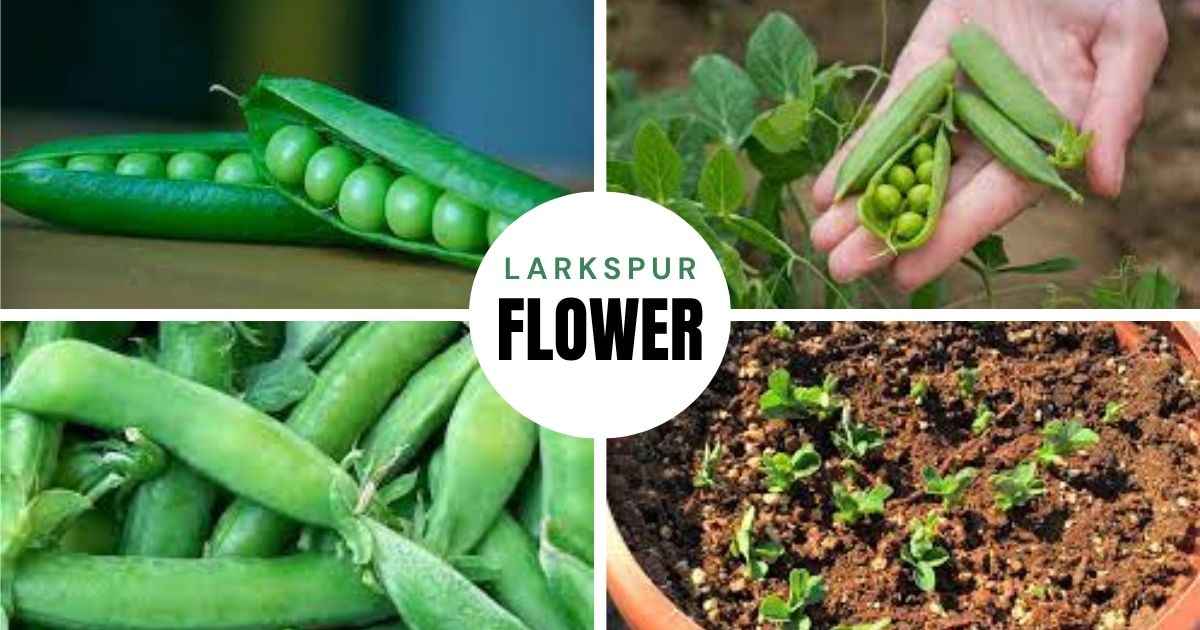
The snappy pea (also called the sugar snap pea) is a cross between snow peas and garden peas (Pisum sativum). It is a member of the Pisum sativum var. macrocarpon species. Snap peas are handy and tasty both raw and cooked because they have edible pods, unlike normal peas.
The Snappy Pea’s main characteristics are
- Edible, crunchy pods
- Rich in protein, fiber, and vitamin C
- Sweet tasting, perfect for snacking
- Quickly grows in mild conditions
- Whole, no need to shell
Snappy pea nutritional value
In addition to being sweet and crunchy, snappy peas are nutrient-dense and promote general wellness.
Snap peas are an excellent low-calorie snack because a 100-gram portion only has 42 calories. They include 2.6 grams of fiber and 2.8 grams of protein, which promote fullness and digestion.
Additionally, they include vitamin C (60 mg), which is more than 60% of your daily requirement and strengthens immunity. Their 1,087 IU of vitamin A also contributes to eye health. Snappy peas also include 2.1 mg of iron, which helps produce red blood cells.
Health benefits
Improve digestion
The high dietary fiber content of snappy peas supports regular bowel motions and a healthy digestive system.
Increases immunity
The high vitamin C content of snap peas helps to strengthen immunity and prevent disease.
Promotes eye health
Their high vitamin A concentration preserves eye tissues and improves eyesight.
Control blood sugar
They have a low glycemic index; snap peas can maintain blood sugar levels steady and avoid surges.
Promotes weight loss
Snap peas are perfect for weight control since they are low in calories and high in fiber, which keeps you fuller for longer.
How to grow snappy peas: A step-by-step guide
Best time to plant
Planting snappy peas is best done in the early spring or fall since they do well in chilly climates. 45 to 75°F is the ideal soil temperature.
Optimal growing environment
- Soil: Well-drained with a pH of 6.0 to 7.5
- Sunlight: six hours or more of full sun every day
- Distance: Rows should be 18 inches apart, with 2 inches between each row.
- Support: Vines can reach a height of 4–6 feet; use a fence or trellis.
Guide to planting
- To speed germination, soak seeds overnight.
- Directly plant 1 inch deep in damp soil.
- Water often, but avoid soaking for too long.
- Mulch the base to keep it wet and keep weeds out.
Snappy pea care tips
Care must be taken to guarantee a plentiful crop.
Watering
- Make sure the soil is damp but not waterlogged by applying water evenly.
- The best way to prevent leaf diseases is by drip watering.
Applying fertilizer
- Snap peas fix nitrogen naturally, but a phosphorus-rich fertilizer can help them bloom.
- Steer clear of too much nitrogen since it encourages foliage over pods.
Management of pests and diseases
Powdery mildew
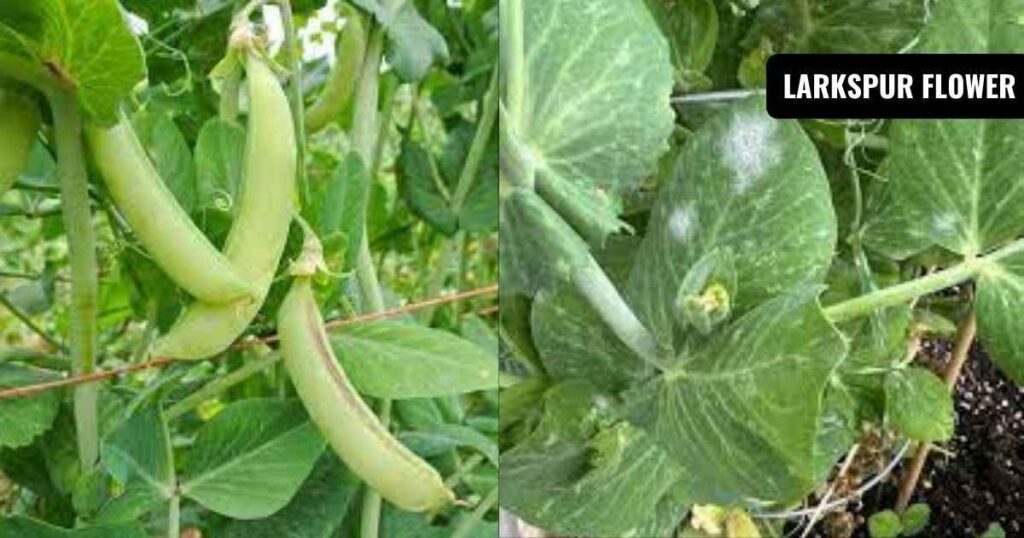
Humidity is generally the cause of this fungus problem. To stop or manage it, increase the airflow around plants and apply a sulfur-based spray.
Infestation of Aphids
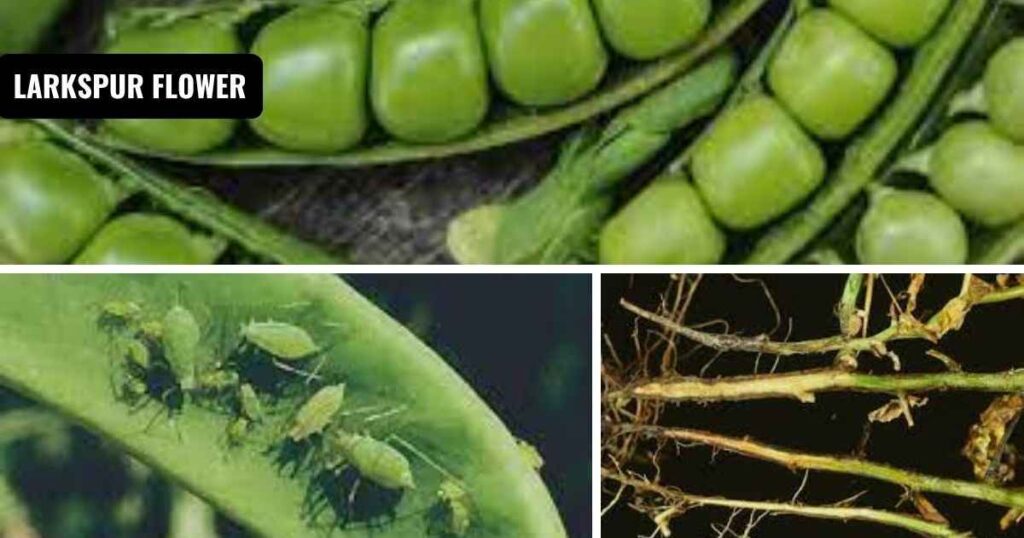
Snap peas are susceptible to being weakened by aphids that consume plant sap. Use neem oil to keep them under control or support ladybugs and other natural predators.
Root rot
Excessive wetness can cause root rot, which can swiftly destroy plants. To maintain healthy roots, make sure the soil drains properly and refrain from overwatering.
When and how to harvest snappy pea
Timely harvesting is essential for crunch and taste.
Signs That They’re Prepared:
- The pods are plump and vivid green.
- Usually ripe 60–70 days after sprouting; snaps readily when bent
Harvesting tips
- Pick every 1-2 days at the height of harvest to prevent injuring the plant
- Picking often promotes increased pod production
Storage and usage
How to Store
- Keep unwashed peas in a plastic bag in the refrigerator
- Eat them within three to five days.
- To preserve for extended usage, blanch and freeze
Uses of snappy pea
- Eaten raw in salads or with hummus
- Stir-fried with sesame oil and garlic
- Served as a side dish, steamed or lightly sautéed
- For soups, pasta dishes, and bowls of rice.
Conclusion
The snappy pea is a low-maintenance, highly profitable crop that is high in nutrients. It’s no surprise that this unassuming vegetable is becoming more and more well-liked in both home gardens and farmers’ markets due to its crispy texture and ease of cultivation.
The snappy pea is a great crop to produce for its health advantages, culinary applications, or simply the satisfaction of picking something sweet and fresh.
Your garden (and taste senses) will appreciate it if you include it on your planting calendar this season.
Frequently Asked Questions
Are snap peas good to eat?
Snap peas are a source of vitamins A and C and fiber. They are highly nutritious vegetables and help in digestion, regulate blood sugar, and even boost immunity.
Why is it called a snap pea?
Snap peas, additionally known as sugar snap peas, are edible pods. They are called snaps because of the sound that they make when they are snapped in half.
What are super snappy peas?
Super sugar pea vines are 5 feet tall, have larger pods, and are heat and powdery mildew-resistant.
