

Introduction
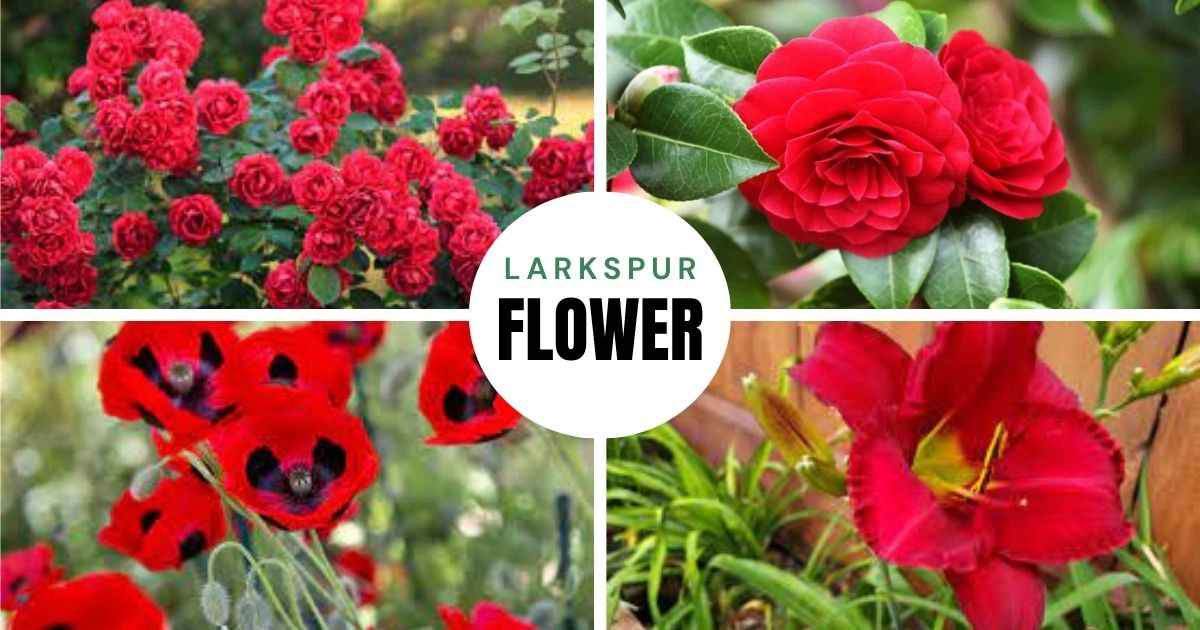
Are you looking for beautiful and eye-catching red flowers to add a little flair and passion to your yard? In addition to being gorgeous, red flowers are a symbol of power, vitality, and love. These brilliant flowers have an instant visual impact and can change any indoor or outdoor space. This detailed article will cover nine of the most popular red flowers, their growth requirements, and how to maintain them.
Your garden may look better if you choose the right red flowers, whether you want to create a romantic atmosphere or attract pollinators. Let’s examine some of the most powerful and important red flowers that can add some vibrancy to your landscape.
Nine Gorgeous Red Flowers That Beautify Any Garden
Why must your garden contain red flowers?
In gardens, red flowers are frequently the main attraction because they are striking and expressive. Here are some strong arguments for their inclusion:
A Sign of courage and devotion
Red flowers are emotionally potent complements to any garden because they stand for courage, love, and vigor.
Excellent for pollinators
Many red blooms encourage pollination and biodiversity by attracting hummingbirds, bees, and butterflies.
Strong visual contrast
The rich crimson hues improve garden design by producing a dramatic contrast with other flower colors and green vegetation.
All-year blooms
Various varieties of red flowers bloom throughout spring, summer, and even fall, providing seasonal variation.
9 popular red flowers for your home garden
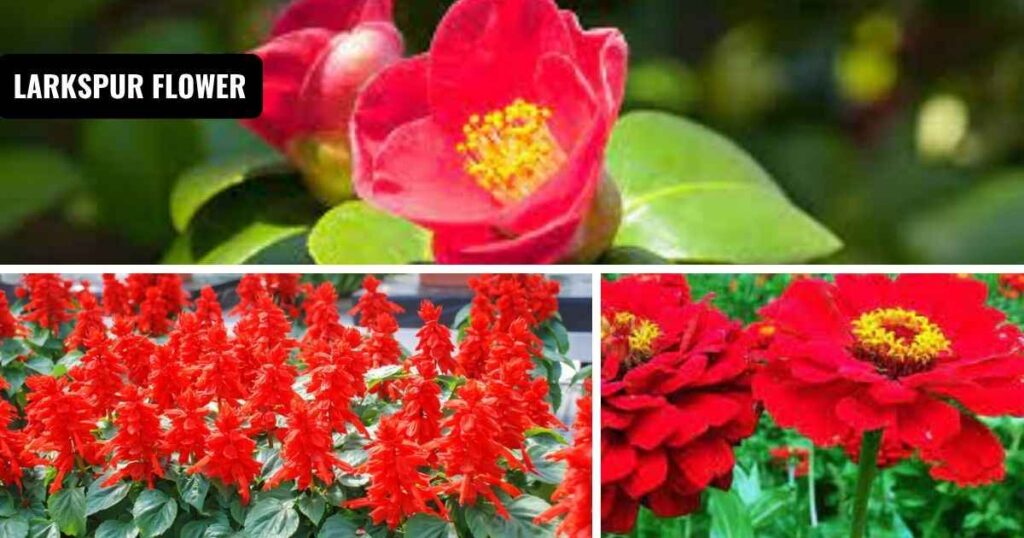
The top nine red flowers are listed below along with their scientific names, maintenance advice, and ideal growth environments.
Rose (Rosa spp.)
This traditional full-sun flower blooms from spring through autumn. It thrives in zones 3–11 and needs moderate irrigation.
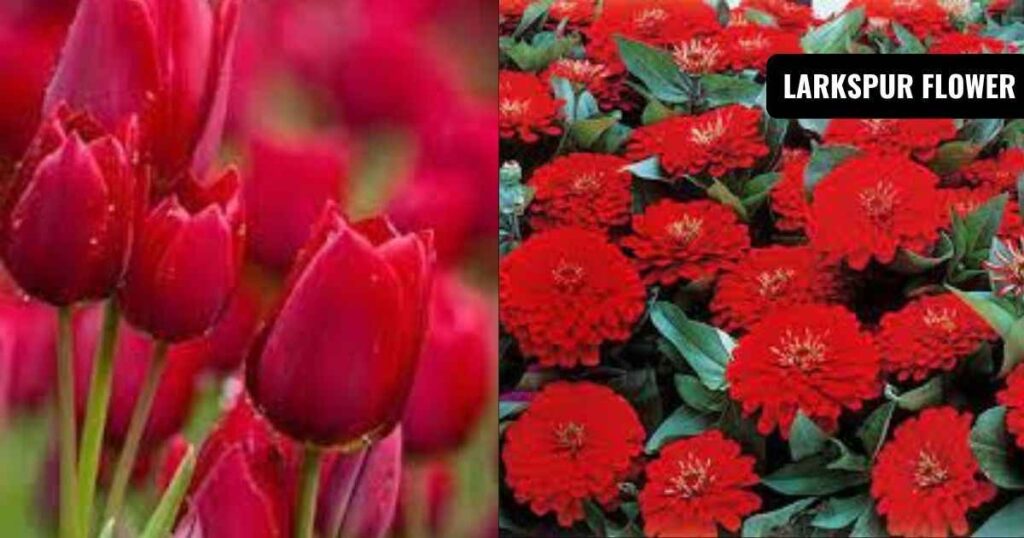
Tulip (Tulipa spp.)
Spring-blooming bulbs need little water and full light. Zones 3–8 are the best for cooling.
Red poppy (Papaver rhoeas)
Delicate late-spring blooms that require little maintenance and thrive in broad sun. It is appropriate for zones 3–9.
Geranium (Pelargonium spp.)
Red flowers that last a long time and grow well in full or partial sunlight. Warmer zones 10–11 are ideal for moderate watering.
Hibiscus (Hibiscus rosa-sinensis)
In summer and fall, tropical red blossoms appear. It loves high water and full sun. It thrives in zones 9–11.
Salvia (Salvia splendens)
Blooms are spike-like and vibrant from summer to October. Zones 8–10 are ideal for full sun and moderate water.
Camellia (Camellia japonica)
Beautiful blooming plant that thrives in minimal water and partial shade in the winter. Grows in zones 7 and 9.
Zinnia (Zinnia elegans)
Easy-care flowers that require little water and ample light from June to fall. Excellent for zones 3–10.
Red Daylily (Hemerocallis spp.)
Hardy perennials that require little water in the summer. Zones four through nine are home to those who prefer full sun.
How to grow and care for red flowers
Preparing the soil
Start with soil that drains properly and has been supplemented with organic matter or compost. To keep moisture in and keep weeds out, use mulch.
Watering
Most red flowers require frequent watering, but not too much. Depending on the species and environment, watering once or twice a week is typically adequate for deep watering.
Sunlight
- Partial shade plants: Camellias, certain geraniums
- Full-sun plants: Tulips, roses, zinnias, and salvias
- Adapt positioning according to species requirements
Pruning
To promote new blooms and lessen illness, deadhead wasted blossoms. Perennials can be pruned after flowering or in the early spring.
Design advice with red flowers
Color combination ideas
- Orange and yellow create a vibrant, energizing palette.
- Red and white provide a timeless, clean style.
- To create contrast, use ornamental grasses or green foliage.
Placement advice
- Use red flowers as accents or borders.
- For a striking visual impact, designate a “red zone” in your garden.
- Plant them in pots and move them as necessary to get the desired effect.
Red flowers: Use in landscaping
- Roses are perfect for formal rose beds, romantic garden borders, and climbing arbors and trellises.
- Planting tulips in clusters along walkways, in flower beds, or as part of spring bulb displays is an effective way to get color early in the season.
- Red poppies are commonly used in meadow-style plantings and cottage gardens.
- Geraniums are frequently used in hanging baskets, window boxes, and container gardening.
- Tropical hibiscus gives coastal or tropical settings a striking, exotic appeal.
- Salvias make excellent mass plants for pollinator gardens and sunny borders.
- Camellias are commonly used as foundation shrubs, hedges, or specimen plants in shaded or wooded gardens.
- Zinnias provide annual flower beds, borders, and cutting gardens with an abundance of color.
- Daylilies are widely used in mass plantings, borders, and slopes.
Conclusion
Of course, red flowers bring vitality, style, and passion to any garden. You can select red blossoms that complement your environment, garden size, and personal taste among the many varieties available, including salvias and roses. Whether you want to create cheery accents or year-round color, red flowers are both beautiful and useful. You can enjoy a colorful and symbolic landscape year after year if you make the right decisions and take good care of it.
Frequently Asked Questions
What are the names of the red flowers?
Rose, tulip, hibiscus, geranium, red poppy, red daylily, salvia, camellia, and zinnia are among the plants with red flowers.
What is the most beautiful flower in the world?
Red roses, red carnations, red tulips, and red hibiscus are the most beautiful flowers in the world.
What is the rarest red flower?
The Middlemist’s Red Camellia is the rarest red flower in the world. It has only two species in the world today; one is in the United Kingdom, and the other is in New Zealand.
Can red flowers grow in pots?
Yes, red geraniums, hibiscus, and dwarf roses can be grown in pots and containers.
