

Introduction
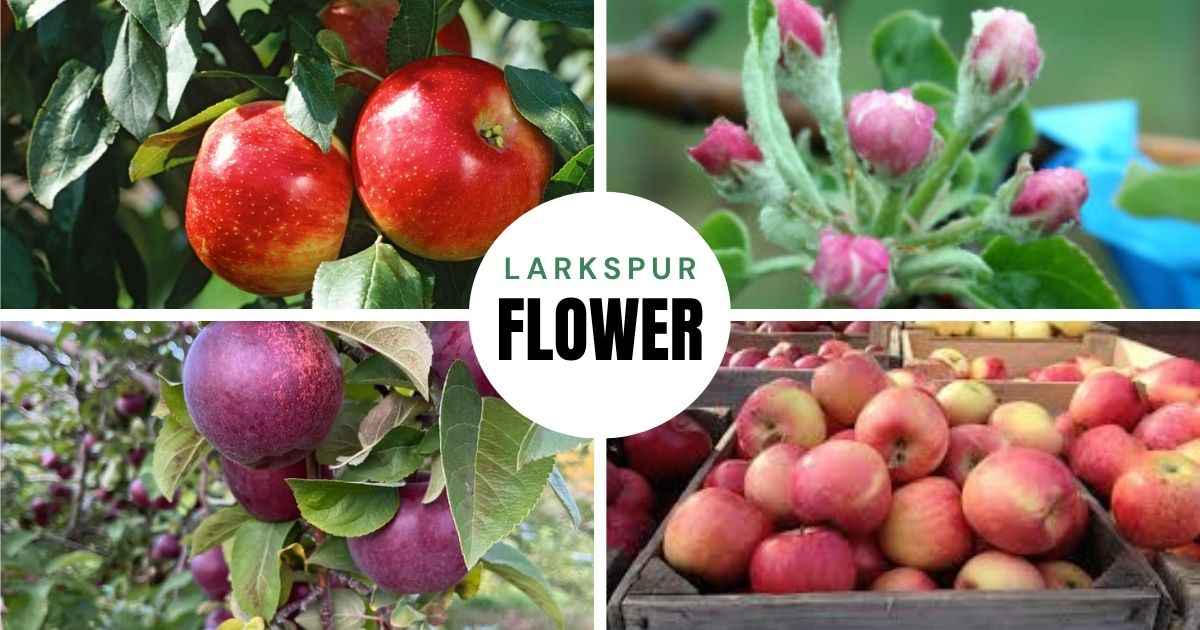
If you have ever dreamed of plucking a crisp, juicy apple right from your own backyard, you have probably wondered, How long does an apple tree take to grow? The truth is, growing apple trees is a beautiful balance of patience, care, and timing.
Despite apple trees taking time to mature, you may expedite the process and get the benefits of a healthy crop sooner by being aware of their growth phases, variety variations, and maintenance needs.
Knowing the development cycle can help you plan your orchard and your expectations wisely, regardless of whether you reside in the cold Northeast, sunny South, or Pacific Northwest.
Knowing How Apple Trees Develop
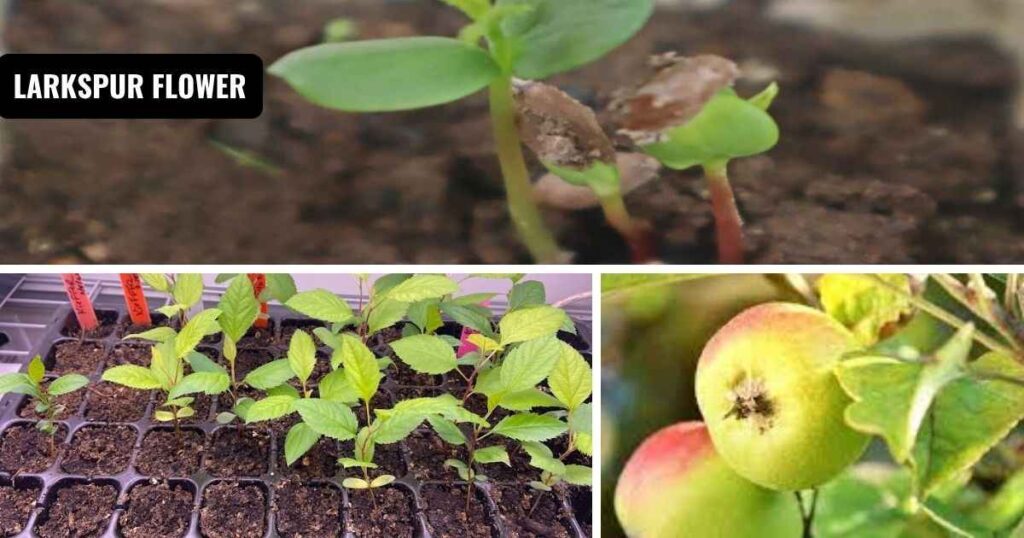
Long-term investments are apple trees. From seedling to fruit-bearing tree, they go through several phases of growth. Let’s dissect it.
1. Stage of Germination (Year 0-1)
Usually, apple trees start as seeds or young grafted seedlings.
- Trees cultivated from seeds take longer to mature; it frequently takes them 8 to 10 years to bear fruit.
- However, depending on the type, grafted trees might begin to produce in as little as two to four years.
Because they produce consistent fruit and develop more quickly, the majority of American gardeners choose to purchase grafted apple trees cultivated in nurseries.
2. Stage Juvenile (Years 1-3)
Your apple tree concentrates on developing strong roots, a robust trunk, and green branches at this stage. Although you won’t notice results just yet, this phase is crucial.
To encourage quicker growth:
- Make sure you get six to eight hours of sunlight each day.
- Make use of organic matter-rich, loamy soil that drains effectively.
- Once a week, especially during dry conditions, give it a thorough watering.
Your tree will develop stronger and be able to provide more fruit in the future with this core care.
When Fruit Begins to Grow on Apple Trees
The magic starts right here! While conventional types may take 6–8 years to achieve maturity, the majority of dwarf and semi-dwarf apple trees begin bearing fruit in 2-4 years. The timing of your first harvest is significantly influenced by the variety you select.
Popular Types and When They Occur
Semi-dwarf honey crisp trees, which are prized for their crisp sweetness, often yield fruit in three to five years. Gala trees are a common dwarf cultivar that may produce apples as soon as two to four years after planting. Expect to wait 6-8 years for your first crop if you want the huge, long-lived Fuji trees.
While the bitter and acidic Granny Smith dwarf variety can fruit in as little as 3-4 years with the right care, Red Delicious, another semi-dwarf species, usually yields apples in 4-6 years.
Growth Advice
Pro tip: Dwarf apple trees are ideal for tiny gardens or impatient producers since they develop and provide fruit more quickly. But their average lifespan is between 15 and 20 years. Although they take longer to reach maturity, standard apple trees can survive for 50 years or longer and provide a lot of fruit for decades.
Flowering and Pollination: The Key to Fruit
Knowing how long does an apple tree take to grow also means understanding pollination.
For the majority of apple trees to bear fruit, cross-pollination from a different type is required. Therefore, even if a single tree may have lovely blooms, it won’t produce any apples.
How to Guarantee the Success of Pollination:
- Plant a minimum of two suitable apple kinds.
- To make it easier for bees to travel, keep them within 50 feet.
- Planting bee-friendly flowers like clover, lavender, and borage close by will encourage pollinators.
Regional Effects on the Growth of Apple Trees
The amount of time it takes for your apple tree to develop, mature, and provide fruit depends largely on your location. The performance of various cultivars is influenced by climate, temperature, and rainfall patterns.
Midwest and Northeast
Choose types like Honeycrisp, McIntosh, and Cortland if you are in the Northeast or Midwest. Warm summers and chilly winters are ideal for these apples’ development of crisp textures and well-balanced sweetness.
States in the South
Choose Ein Shemer, Dorsett Golden, or Anna apples in the South. Specially developed to withstand milder winters and flourish in southern latitudes, they are low-chill cultivars.
The West Coast
Fuji, Gala, and Pink Lady apples are great choices for the West Coast. Their inherent sweetness and juicy flavor are enhanced by the mix of warm days and chilly nights.
Northwest Pacific
The Pacific Northwest offers gardeners the perfect environment for cultivating apples. The steady rainfall and temperate temperatures in this area are ideal for cultivating varieties like Jonagold and Gravenstein.
USDA Growing Range and Zones
Though recent warm-climate cultivars have made it simpler than ever to produce apples in southern locations, the majority of apple trees thrive in USDA hardiness zones 4-8.
How Long Does an Apple Tree Take to Grow: Elements That Impact the Growth Rate of Apple Trees
Take note of these important growth parameters if you want to harvest apples earlier:
1. The sun
Full light is ideal for apple trees since it promotes photosynthesis and fruit production. Fruiting may be delayed if sunshine exposure is less than six hours each day.
2. Health of the Soil
The optimal pH range is 6.0-7.0. For nutritional balance, test your soil once a year and add compost or bone meal.
3. Hydration
Roots are kept moist with regular watering, one inch per week. Steer clear of excessive watering as this might lead to root rot.
4. Trimming
To form the tree and get rid of slender branches, prune every year in late winter or early spring. Energy is redirected into fruiting wood by pruning.
5. The process of fertilization
Apply a fertilizer that is balanced (10-10-10) in the early spring and summertime. Excessive fertilization may promote foliage development at the expense of fruit production.
How Long Does an Apple Tree Take to Grow: When Will You Finally Harvest Apples?
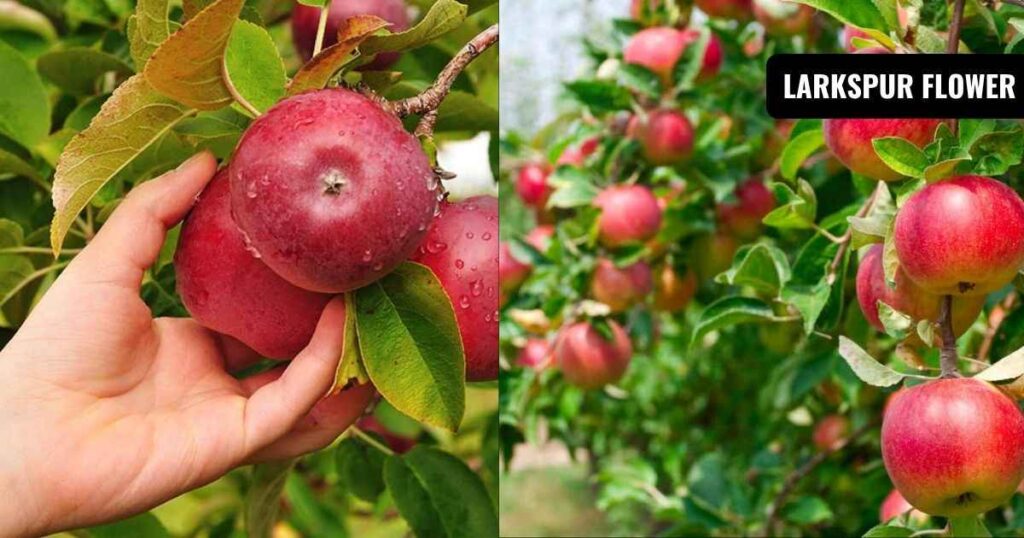
So, how long does an apple tree take to grow before you can pick your first apple?
Generally speaking:
- Dwarf trees: two to four years
- Trees that are semi-dwarf: 4-6 years
- Normal trees: 6-8 years old.
When fully grown, most trees will continue to bear fruit for 20 to 50 years, providing generations with an abundance of fruit.
Harvest schedules vary with variety:
- In July and August, early apples (such as Gala or Anna) mature.
- Granny Smith or Fuji apples are examples of late apples that mature by October or November.
Conclusion: How long does an apple tree take to grow
So, how long does an apple tree take to grow? It depends on the variety, growing conditions, and your care. While patience is key, your effort pays off in years of beauty and bounty.
Remember that every year takes you one step closer to enjoying your first delicious piece of fruit that you have produced yourself, whether you are growing a single apple tree or a small orchard.
Your apple tree will flourish, bloom, and pay off for decades if it receives the proper sunshine, soil, and seasonal maintenance.
FAQs: How Long Does an Apple Tree Take to Grow
Can I grow an apple tree from store-bought seeds?
Yes, but it’s unpredictable. Seed-grown trees may not match the parent fruit and take much longer to produce apples.
Do apple trees need cold weather to grow?
Most varieties need chilling hours (32-45°F) to trigger flowering. Warm-climate types like “Anna” need fewer hours.
What’s the fastest apple variety to grow?
Gala and Dorsett Golden are among the fastest to mature, often fruiting within three years.
Can apple trees grow indoors or in pots?
Dwarf varieties can thrive in large containers if they receive full sun and proper pruning.
How long does it take for apples to ripen after flowering?
Typically 100-200 days, depending on variety and weather.
