


Introduction
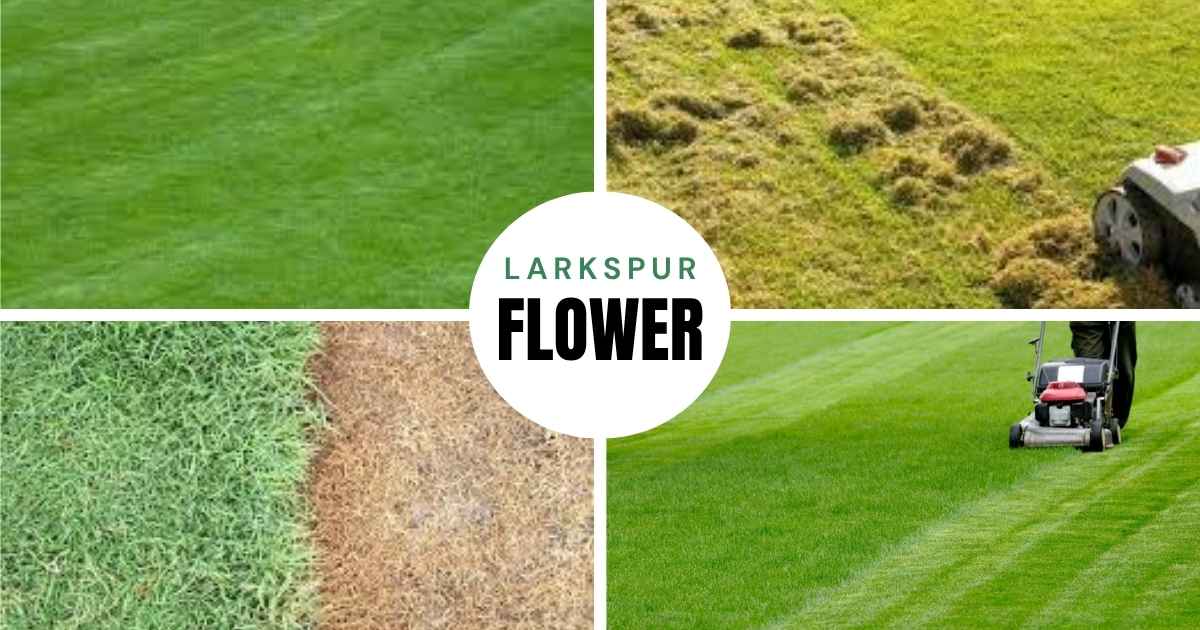
When does grass stop growing? Every homeowner eventually asks this question, generally when mowing begins to feel like a weekly task. In actuality, grass doesn’t grow year-round. It reacts to variations in moisture, sunshine, and temperature like the majority of plants do. Knowing this natural rhythm can help you maintain a lush, vibrant, and green lawn throughout the year while also saving you time and work.
Your grass has a consistent pattern regardless of whether you reside in a warm southern region or a frigid northern one.
Let’s examine the factors that actually influence when grass stops growing and how to maintain its strength and health all year long. For more detail visit here.
Understanding the Science Behind Grass Growth
Like all plants, grass is a living thing whose growth is regulated by lighting and temperature. The grass goes into a dormant phase and ceases to grow when soil temperatures fall below specific thresholds. This is only resting to save energy till things get better, not that it’s dying.
- Fescue, ryegrass, and Kentucky bluegrass are examples of cool-season grasses that thrive in daylight temperatures between 60°F and 75°F (15°C and 24°C).
- Bermuda, zoysia, and St. Augustine are examples of warm-season grasses that do best in temperatures between 80°F and 95°F (26°C and 35°C).
Growth slows and eventually stops when temperatures drop below (or rise above) certain optimal limits.
When Does Grass Stop Growing in Fall
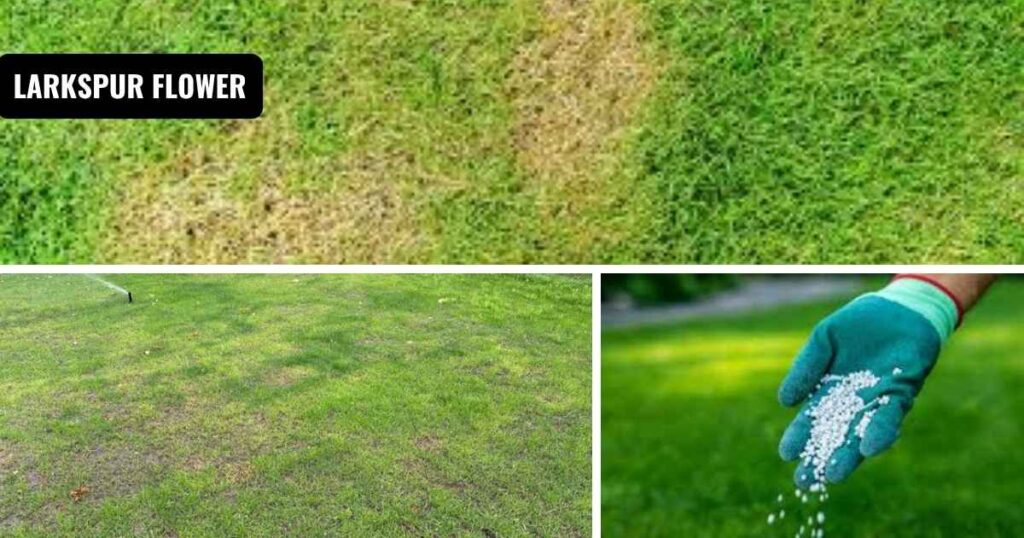
The development of your lawn will progressively slow down as the days become shorter and the temperature starts to drop. This means fewer mowing sessions, which is a huge relief for many homeowners!
- Generally speaking, warm-season grasses cease to grow when daily highs drop below 70°F (21°C).
- Even when soil temperatures fall below 45°F to 50°F (7°C to 10°C), cool-season grasses continue to flourish.
Depending on where you live, this slowdown often occurs in late October or early November.
Expert Advice: Before winter arrives, keep your grass a little taller (around 2.5 to 3 inches). The additional length guards against frost damage and helps insulate the roots.
Winter Dormancy: Your Lawn’s Resting Period
Grass goes into a natural growth stop known as dormancy when winter fully arrives. In this phase:
- Particularly in warm-season varieties, the blades may become straw-colored or brown.
- Although they may remain somewhat green, cool-season lawns develop very slowly.
Your grass isn’t dying, so don’t worry. While it waits for the return of warmth, it is storing nutrients underground.
To keep your dormant lawn safe:
- To avoid breaking, don’t step on frozen grass.
- To maintain the soil’s ability to breathe, remove any fallen leaves and debris.
- Since your grass cannot absorb nutrients while it is dormant, avoid fertilizing.
Spring: The Season of Regrowth
Grass emerges from dormancy when soil temperatures surpass 50°F (10°C). It will be time to continue routine lawn maintenance when new green shoots start to emerge.
Now is the ideal moment for:
- Fertilizing: To accelerate recovery, use a balanced spring fertilizer.
- Overseeding: To promote uniform growth, cover exposed areas.
- Mowing: When the grass is around three inches tall, start cutting it.
Taking good care of your lawn in the spring can help it bounce back from winter stress and remain robust and thick throughout the summer.
Summer: When Does Grass Stop Growing Again
Extreme summer heat can impede development, just like cold does, particularly for cool-season grasses. These grasses enter a heat-dormant state in order to withstand extended periods of temperatures exceeding 85°F (29°C).
On the other hand, warm-season cultivars thrive in the heat and grow at their fastest rate during this period.
How to maintain green grass throughout the summer:
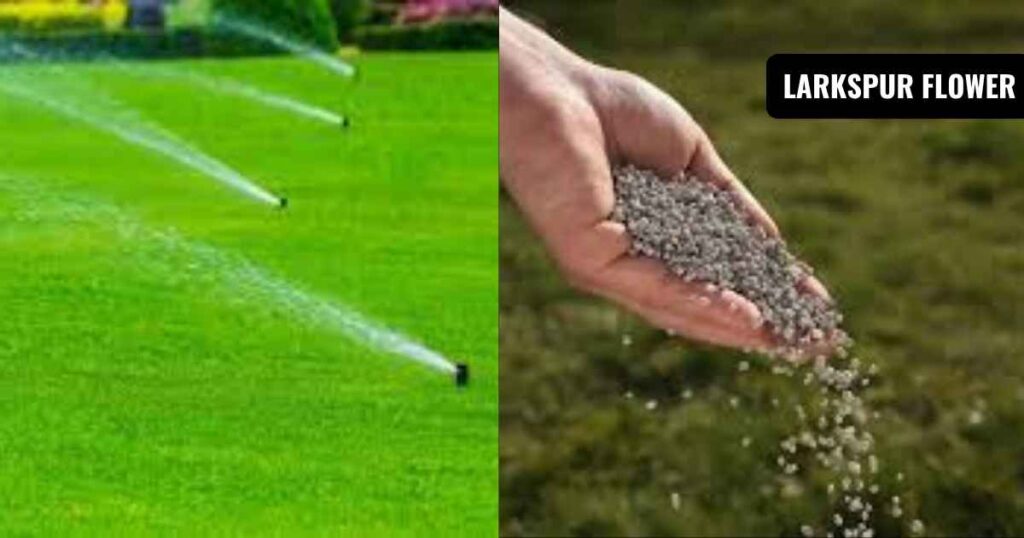
- Water thoroughly, but not as frequently, roughly one inch every seven days.
- Longer blades shade roots and retain moisture, so don’t cut your lawn too short.
- Mulch to preserve soil nutrients rather than bagging cuttings.
Bonus Tip: Don’t worry if your cool-season grass turns brown in the summer; it will come back to life when the temps drop.
Soil Temperature: The True Indicator of Growth
A common error made by homeowners is to depend solely on air temperature. However, the true tale is revealed by soil temperature.
As long as the soil is sufficiently warm, at least 50°F (10°C), grass roots will continue to grow. Growth essentially stops when the soil falls below that.
A soil thermometer, which is readily accessible at most garden centers, makes it simple to monitor this. You can more accurately plan your final fertilization, watering, and mow by keeping an eye on the soil temperature.
Tips to Keep Grass Green Year-Round
You can maintain a lovely lawn even if it slows down or stops growing. Try these steps that experts have recommended:
- Fall Feeding: Before winter arrives, a late-fall fertilizer fortifies roots.
- Mow Wisely: Avoid mowing more than one-third of the grass at once.
- Aeration: Aerate every year to enhance oxygen flow and lessen soil compaction.
- Water Sensibly: Deep watering promotes deeper roots.
- Overseed Bare Spots: Maintains a thick, weed-resistant grass.
By taking these actions, you can keep your lawn looking its best even during periods of inactivity.
Regional Grass Growth Patterns: When does grass stop growing?
Grass Growth in the Northern U.S.
The best seasons for grass growth in northern climates are spring and fall, when the weather is cold and the moisture content is optimal. But when winter sets in, growth completely stops. Until the weather warms up again in the early spring, the lawn goes into a dormant phase. Before the first frost arrives, homeowners in these locations should schedule their final fertilizer treatment and lawn care.
Grass Growth in the Southern U.S.
Warm-season grasses like Bermuda and Zoysia allow southern lawns to flourish from late spring to early October. As temperatures dip below 70°F in late fall and early winter, growth slows and finally stops. These grasses frequently become dark during dormancy, but they will revert to their original color when the heat comes in the spring.
Grass Growth in the Transition Zone
Early spring and early fall are the two shorter growth seasons for grass if you reside in a transition zone, which is a region that has both cold winters and hot summers. Usually, growth slows down in the middle of winter and during the hottest summer months. This implies that more maintenance is required to keep the health of your lawn throughout the year, including enough watering during dry periods and aeration to encourage robust roots.
Why Regional Differences Matter: When does grass stop growing?
Not only does your local climate dictate when grass stops growing, but it also dictates when it is most effective to fertilize, water, and mow. Regardless of where you live, knowing your local growth cycle makes it easier to plan lawn care and guarantees a lush, green yard.
Conclusion: When does grass stop growing?
When does grass stop growing, then? Generally, growth slows below 50°F and ceases entirely during cold or excessive heat; however, this varies by geography, soil temperature, and grass variety.
Dormancy is not a bad thing, remember. It’s how nature keeps your yard safe. Your grass will repay you year after year with a thicker, more resilient, and greener lawn if you take the proper care of it during each season.
To get the picture-perfect grass that everyone desires, a little patience during dormancy goes a long way.
FAQs: When does grass stop growing?
Does grass grow during winter?
Not really. Most grasses go dormant below 45°F, though some cool-season types may grow slightly during mild winters.
Should I water my lawn when it’s not growing?
Occasionally, yes. Water every 2–3 weeks in dry winters to prevent roots from drying out.
When should I stop mowing?
When you notice grass hasn’t grown for about two weeks, and soil temperatures stay under 50°F.
Why does my lawn turn brown?
It’s a natural sign that dormancy-grass conserves energy by reducing chlorophyll. It will green up again in spring.
Can I fertilize dormant grass?
No. Fertilizing dormant grass is wasteful because roots can’t absorb nutrients. Wait until spring or late fall.
