


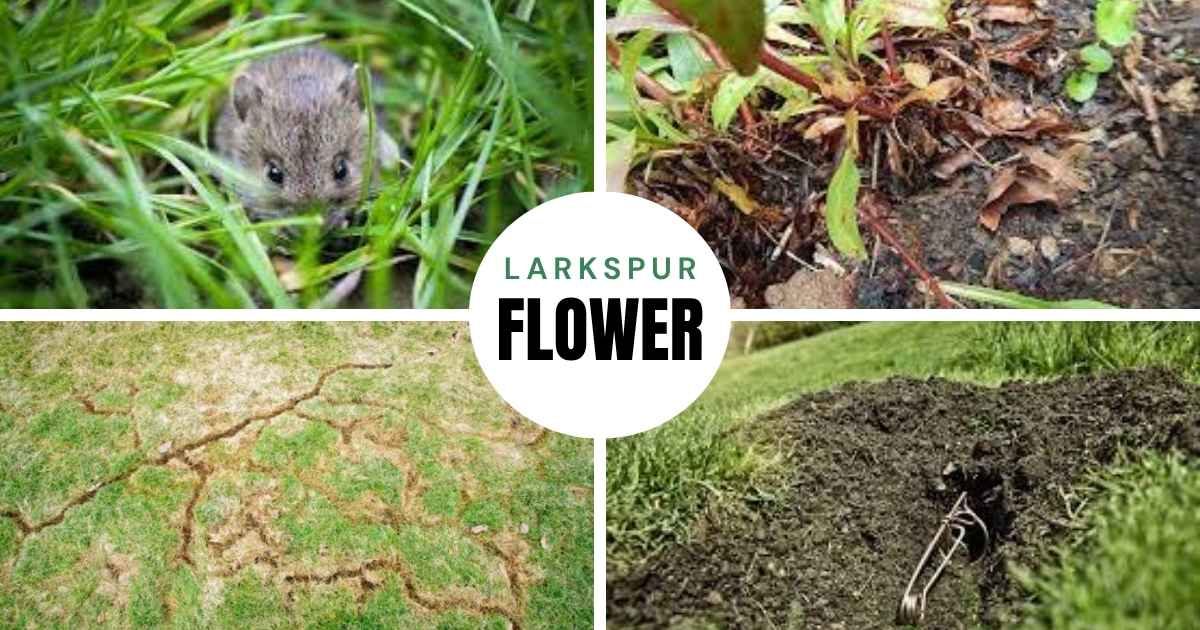
Introduction
Are you struggling to figure out how to get rid of voles destroying your lawn and garden? These little animals, which are sometimes confused for moles, may do a lot of damage to grass, roots, and even tree bark. You may save time, money, and irritation by learning how voles act and using the correct control methods.
This article will show you how to get rid of voles in a way that is based on research, works, and is kind.
How to Get Rid of Voles: 7 Proven Solutions for a Healthier Yard
What Are Voles?
Voles are tiny rodents that dig holes and are in the Cricetidae family. The meadow vole (Microtus pennsylvanicus) is the most common kind of vole in North America. They look like mice but are shorter and stockier, with tails that are shorter. They are 4 to 8 inches long.
Signs of a Vole Infestation
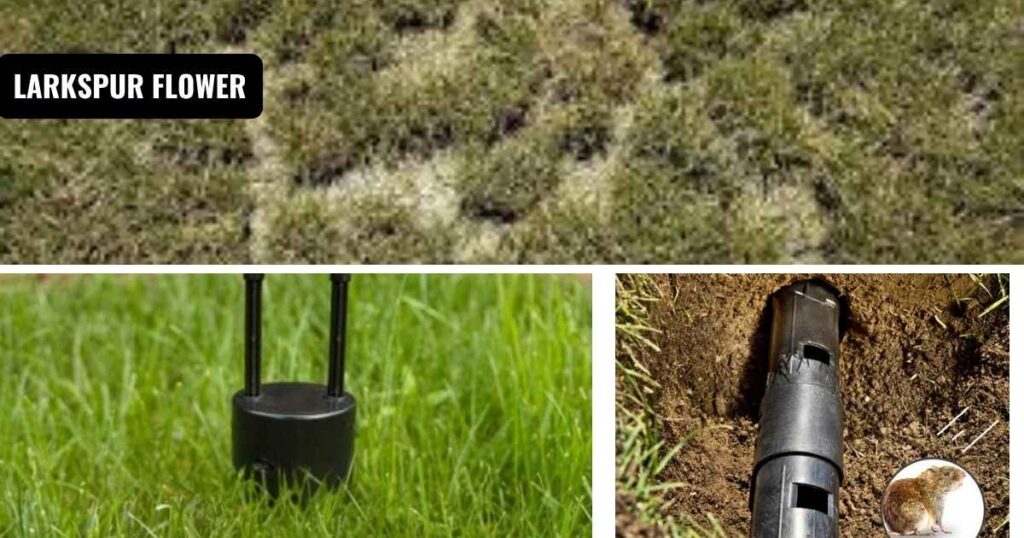
- Narrow surface runways in grass
- Bark that has been gnawed on around shrubs and trees
- Plants that are wilting and have roots that are harmed.
- A lot of little burrow holes
Why Voles Are Bad
Voles produce a large number of offspring rapidly; females may give birth to up to ten litters annually. They eat grass, roots, bulbs, and bark, which causes:
- Dead spots on lawns
- Plants that are badly hurt
- Trees that are girdled and die
- They are likely to be eaten by predators
Find and Keep an Eye on Vole Activity
Assessing the extent of the infestation is the first step in eliminating voles. Walking around your property, look for runways and easily visible holes. Although they are most active in the early morning and late afternoon, voles are active throughout the year.
The Vole Activity Signs
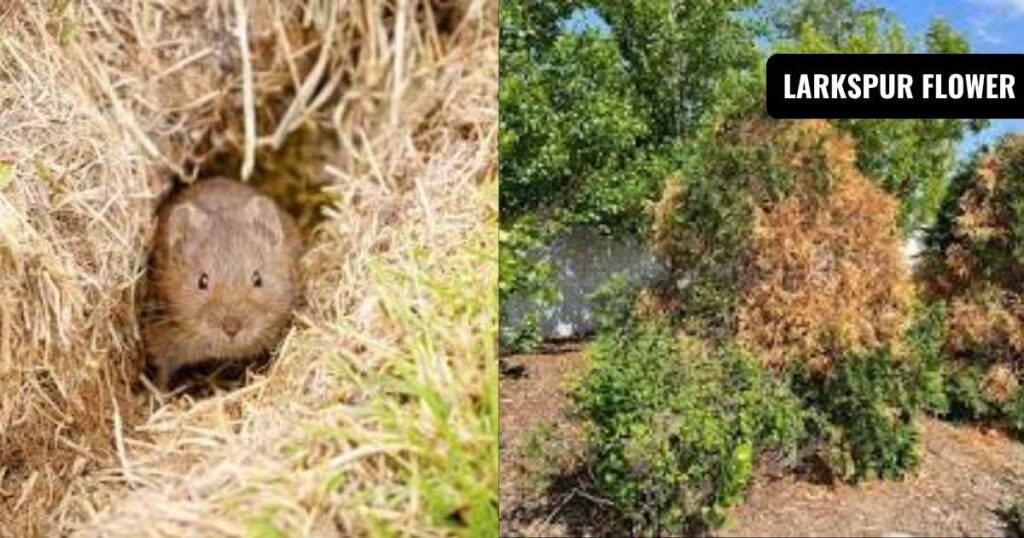
- Grass runways are paths that voles use to get about.
- Voles are consuming tree roots and peeling bark.
- Entrances to nests, feeding tunnels, and shallow holes in the ground.
- Vole gnawing can damage plant roots and cause plant death.
Get Rid of Food and Shelter
A long-term way to get rid of voles is to cut down on their food and habitat.
Helpful Tips:
- Reduce the amount of weeds and tall grass frequently.
- Remove any mulch that is close to bushes and trees.
- Remove any fallen fruits, nuts, or vegetables.
- Avoid placing compost or wood piles close to your garden.
Use vole barriers.
You can keep voles away with both natural and artificial repellents that won’t hurt them.
Different kinds of repellents
- Repellents made with castor oil work by messing with voles’ digestive systems.
- Capsaicin sprays are made from hot peppers and make the vole’s mouth hurt.
- Predator pee: Fox or coyote pee makes voles scared and makes them leave.
Tips for using:
- Reapply when it rains.
- Pay attention to runways and burrow entrances that are open.
- For better results, use this alongside habitat modification.
Put up vole traps
If you want quick and direct results, trapping is a good way to go.
The Best Vole Traps:
- Snap Traps: These are like mouse traps, except you put them across the runways.
- Live Traps: A humane choice that lets you move the animal.
How to Trap Well:
- Use apple slices or peanut butter as bait.
- Look at the traps every day.
- Put on gloves to keep your aroma from getting on things.
Apply underground barriers
Put up physical barriers around trees and gardens to keep them secure for a long period.
Things you need to make barriers:
- 1/4-inch mesh hardware cloth
- A wire that has been galvanized
How to install:
- Dig down 12 inches and up 6 inches.
- Draw a circle around the base of trees and flower beds.
- Check the mesh for holes.
Introduction of natural predators
Encouraging animals that eat voles is a long-term way to keep their numbers down.
Predators of Voles in Nature:
- Owls
- Hawks
- Foxes
- Snakes
How to get them to come:
- Put up owl nesting boxes.
- Don’t use rodenticides that might hurt animals that eat rodents.
- Make natural places to live, such as logs and thick grass, near the border of your yard.
The Vole Control by Professionals
If the infestation doesn’t go away, employing a professional to get rid of the animals may be the best option. They might offer you targeted treatments as well as secure methods to follow up with you following the procedure.
Conclusion: How to get rid of voles
It doesn’t have to be hard to learn how to get rid of voles. You can get rid of these damaging rodents in your lawn and garden by using the correct mix of habitat modification, safe repellents, and smart traps. If you act early and consistently, you can keep voles away and have a healthier, more vibrant outdoor environment.
FAQs: How to Get Rid of Voles
How do I permanently get rid of voles?
Using natural predators and repellents, you can get rid of voles permanently. You can also plant daffodils and mint around your garden to keep away the voles. Live traps can also be used to catch voles and release them far away.
What is the best repellent for voles?
The most effective repellent for voles is the spray with a garlic base.
What smells do voles hate?
The scents of garlic, onions, fish, catmint, and other allium plants are disliked by the majority of rodents, including voles.
Will a vole bite you?
Voles are not aggressive and do not have a sting or venom. Voles bite you when they feel trapped or threatened.
Do voles come out at night?
Voles are active all year long, day and night.
What will attract the voles?
Like other rodents, voles are fond of peanuts and other nuts and seeds.
Are voles dangerous to humans or pets?
Voles may carry parasites or diseases. It is the best way to handle them with gloves.
How long does it take to get rid of voles?
If you apply these techniques, you should see a considerable decrease in 2 to 4 weeks, depending on how severe it is.
