


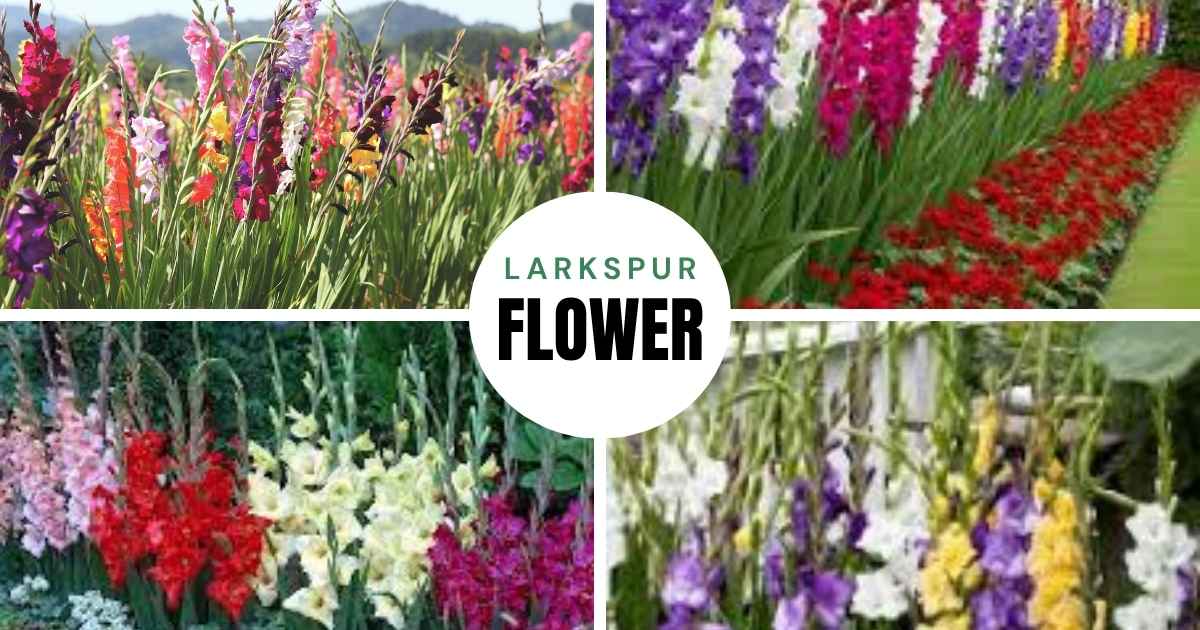
Have you ever seen the tall, gorgeous spikes of the gladiolus flower and wondered why both gardeners and florists enjoy it so much? In addition to being a beautiful flower, the gladiolus flower (Gladiolus hortulanus) has a rich history, significance, and gardening utility.
We will talk about the most important facts about the gladiolus flower in this article. These include its meanings, types, how to plant it, and common mistakes to avoid when caring for it. Regardless of your level of gardening experience, this article will give you all the information you need to understand this lovely flower.
Gladiolus Flower: 7 Powerful Facts You Will Love
What Is the Gladiolus Flower?
The gladiolus (Gladiolus hortulanus) flower is a member of the iris family (Iridaceae) and comes from South Africa, the Mediterranean, and some regions of Asia. There are more than 260 species and hundreds of hybrids. It is also called sword lily because of its sword-like leaves and long spikes that support up to 20 funnel-shaped flowers per stalk.
Cultural and symbolic meaning
A Flower of Love and Strength
The Latin word “gladius,” which means “sword,” is where the term “gladiolus” derives from. It stands for power, moral integrity, and triumph. Gladiators who won battles in ancient Rome were given gladiolus flowers. In the language of flowers, they mean love, honesty, and remembering.
The gladiolus is the August birth flower.
The gladiolus is the flower that officially represents August as a birth month. It’s a wonderful birthday present this summer because it demonstrates your strong character and enthusiasm.
7 Interesting Facts About the Gladiolus Flower
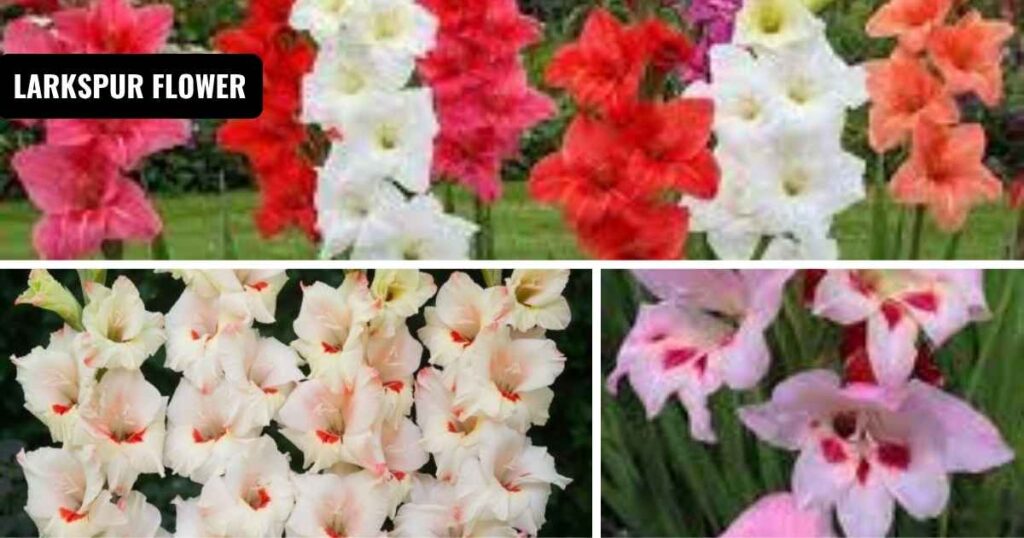
- Tall and Proud: Gladiolus may grow as high as 5 feet.
- When they bloom: They typically bloom from mid-summer until early September.
- Different Colors: You can get it in almost every hue except genuine blue.
- Cut Flower Favorite: Because it keeps well in a vase, this flower is a necessity for floral arrangements.
- Easy to grow: Excellent for novice gardeners.
- Remembrance Symbol: A symbol of remembrance that is often included in sympathy and memorial bouquets.
- Good for pollinators: It attracts butterflies and bees.
Different Types of Gladiolus
There are many different kinds of gladiolus, and each one has its special features:
- Grandiflorus: Big, colorful blooms that stand out.
- Primulinus: Blooms that are smaller and have hooded top petals.
- Gladiolus Butterfly: Small and perfect for gardens that aren’t too big.
- Miniature Hybrids: They have shorter stems, making them suitable for pots and borders.
How to Grow Gladiolus Flowers
The Best Conditions for Planting
- Soil: Soil that drains well and has a pH between 6.0 and 6.5
- Sunlight: Receives 6 to 8 hours of sunlight per day
- Watering: Watering regularly, especially when it’s dry
Steps to Plant
- When to plant: In the spring, after the last frost, plant corms.
- Depth: 6 inches apart and 4 inches deep.
- Support: Stake taller varieties to prevent wind damage.
- Feeding: Every four weeks, give them a balanced fertilizer (10-10-10).
How to Care for Gladiolus Flowers
Important Maintenance Tips
- Deadheading: Removing old blooms to make room for new ones.
- Mulching: This prevents weeds from growing and keeps the soil moist.
- Pest Control: Watch for thrips, aphids, and spider mites.
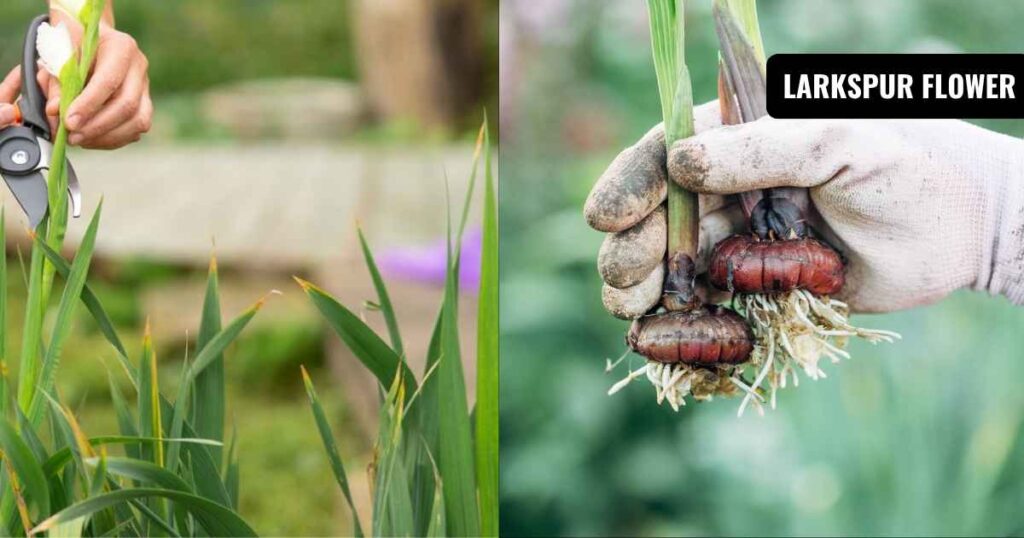
- Winter Care: In areas with lower temperatures, dig up the corms (cormlets) and store them in a cool, dry location.
Mistakes to avoid
- Excessive water can lead to root rot.
- Planting in shaded spots could weaken the blooms.
- Ignoring insect issues until they become too serious
Advantages of Gladiolus Flower Growing
- It looks good: gardens appear better thanks to the tall, vibrant spikes.
- Low Maintenance: Doesn’t need much work to grow
- Attracts pollinators: helps ecosystems stay healthy
- Cut Flowers: Great for decorating your house and for important events
Quick Care Overview
- Soil: Well-drained, somewhat acidic soil
- Sunlight: Full sun
- Watering: Every week, more frequently in arid regions
- The fertilizer: During the growing season, every four weeks
- The Bloom Time: From summer to early autumn
- Winterization: In cold climates, dig and store corms.
Conclusion
The gladiolus flower stands tall in the garden and in its significance. Many people love it because of its bright colors, low care demands, and significant cultural associations. Gladiolus is a beautiful flower that may symbolize many things. Gladiolus is a fantastic option if you’re looking to redesign your garden, give a heartfelt present, or want to learn more about decorative flowers.
FAQs: Gladiolus Flower
What does the gladiolus flower symbolize?
The gladiolus flower is a representation of integrity, love, strength, and caring.
What is the season for gladiolus?
The best season for growing gladiolus is spring after the last frost. The gladiolus blooms in summer or early fall.
Do gladiolus like full sun or shade?
Gladiolus prefers full sun for vivid blooms. Flowers are dull-colored, and corms can withstand shade. Gladiolus prefers sandy loam soil that drains well. Corms will rot in wet soil.
How long will a gladiolus last?
Every gladiolus gives full-colored blooms for about two weeks.
Can I grow gladiolus in pots?
Yes, containers with 12 inches of deep soil and adequate drainage can support dwarf varieties.
Do gladiolus flowers multiply?
Indeed, the base of gladiolus flowers produces tiny cormlets that will grow the following season.
