


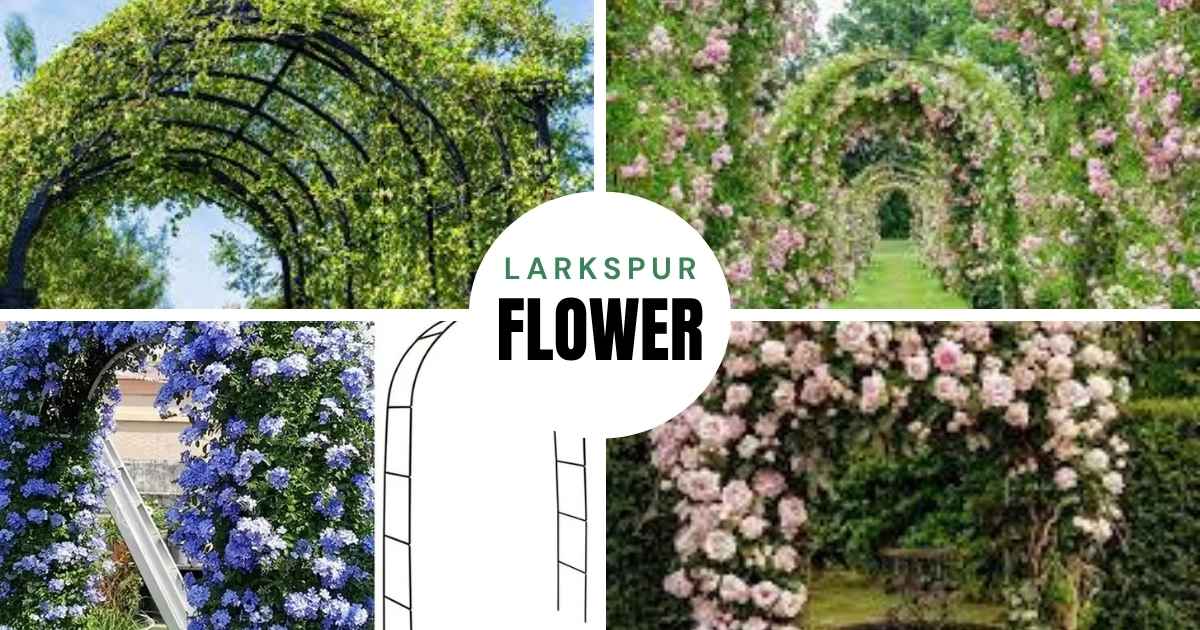
Have you ever wondered how to give your garden structure and charm instantly? Surely the answer is a garden arch. A garden arch adds beauty and functionality to any outdoor space, whether it supports climbing plants, enhances a walkway, or frames a vista. This article will guide you through every face of it, from types and materials to installation and maintenance, using practical, scientifically backed advice.
Five Stunning Garden Arch Designs to Improve Your Yard
What is a garden arch?
An ornamental element used to support climbing plants, frame an entrance, or add vertical appeal to gardens or yards, is a garden arch. It typically connects two side supports with a straight or curved top. Garden arches come in a variety of sizes, shapes, and applications and can be constructed from wood, metal, vinyl, or composite materials.
Benefits of a garden arch
There is more to adding a garden arch than looks. Here are a few useful advantages:
1. Improves the design of landscapes
A garden arch is a lovely focal point that draws attention to itself in any yard. It is possible to define garden zones, key features such as pathways or seating areas, and define entrances.
2. Encourages the growth of plants
Arches are perfect for climbing plants such as Rosa spp. (climbing roses) and Ipomoea purpurea (morning glory). The vertical support they provide allows vines to grow higher and display their beautiful flowers.
3. Brings in wildlife
Hummingbirds, butterflies, and bees are among the pollinators drawn to a flower-covered garden arch. This arch promotes a healthy garden environment and increases biodiversity.
4. Enhances privacy and shade
Dense, leafy arches give your outdoor space a sense of solitude by providing light shade on bright days and even serving as natural screens to hide undesired views.
5. Enhances the value of real estate
A well-placed garden arch enhances curb appeal and gives your yard a tidy, functional look. In the real estate market, it may even raise the perceived worth of your house.
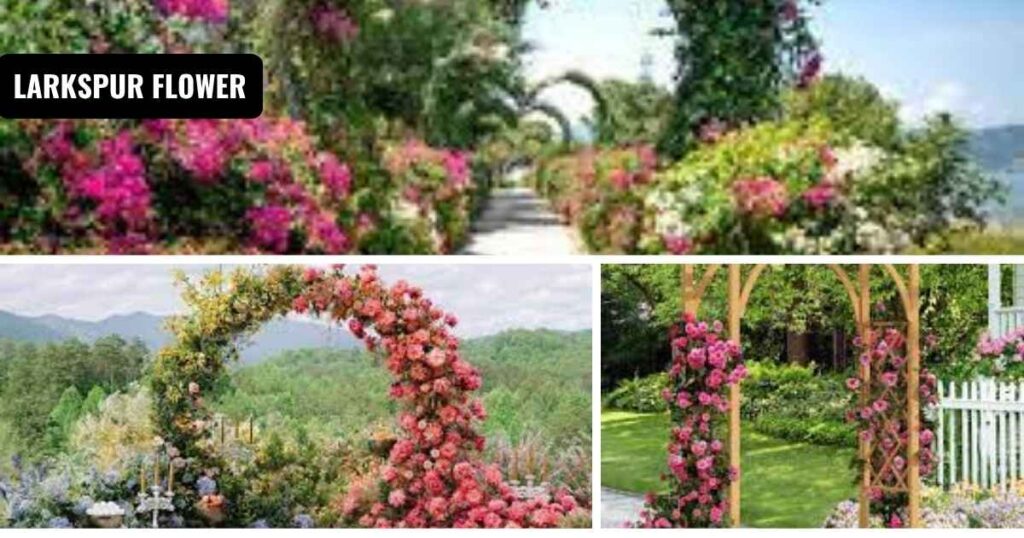
1. Types of garden arches
1. Conventional arches
Their rounded, smooth tops complement traditional garden designs. An ivy and flower arrangement that is fairly typical.
2. Arches with a flat top
Flat-top arches are sleek, modern, and appropriate for modern landscapes.
3. Arches of Gothic
Pointed tops, which have cathedral-like shapes, are perfect for old or cottage-style gardens.
4. Arbors and pergola arches
These larger constructions are frequently utilized as outdoor lounging spaces or pathways.
2. Selecting the right element
Every material has advantages and disadvantages when it comes to garden arches. Consider the cost, maintenance, and environment.
Wood
- It has a natural appearance and works well with rustic themes, but it needs to be sealed to stop decay.
- Redwood and cedar are inherently resilient.
Metal
- Metal is durable and strong.
- Wrought iron can rust despite its beauty.
- Steel with a powder coating is durable.
Vinyl
- Vinyl is weather-resistant and requires little upkeep.
- It is ideal in moist or humid environments.
- Compared to metal or wood, it may appear less natural.
Composite
- Blends wood and plastic fibres.
- Long-lasting and good for the environment.
- It requires little upkeep.
3. How to install a garden arch
A garden arch is simple to install, but stability and longevity are ensured by following the correct procedures.
Step 1: Select the site
Choose a level spot, such as over a flower garden, gate, or walkway, where the arch will serve a practical and decorative purpose.
Step 2: Dig post holes and mark them
Mark the ground with a measuring tape. For anchoring, dig holes that are 18 to 24 inches deep.
Step: Set the posts
Insert the arch’s legs into the openings. Make sure it’s straight by using a level.
Step 4: Use stakes or concrete to secure
For permanent placement, pour concrete around the legs; for mobility, use ground stakes to fasten.
Step 5: Give it time to set
Before decorating or planting, provide the concrete a full day to cure.
4. Best climbing plants for garden arches
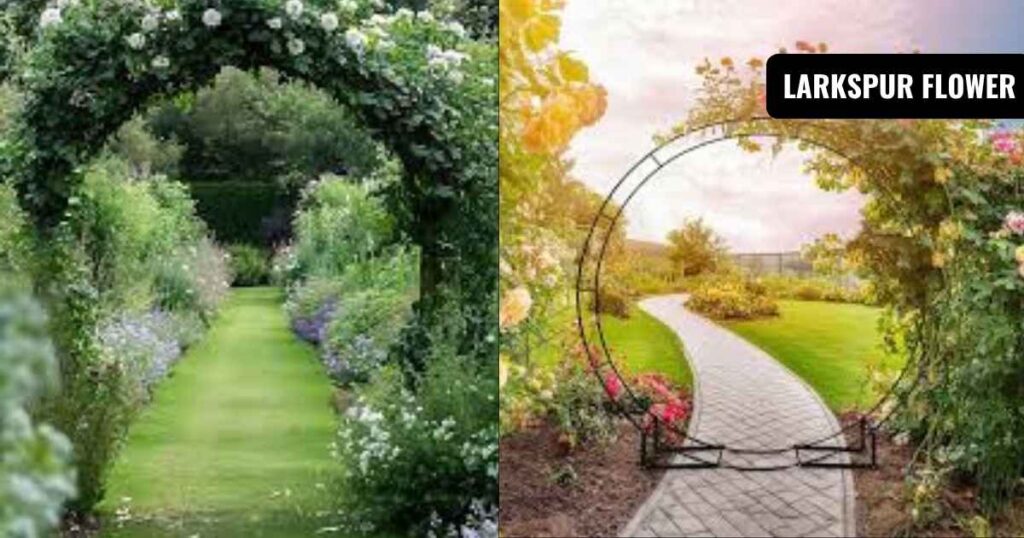
The right plant can enhance the beauty of a garden arch. The characteristics of a few common climbing plants are listed below:
Rose Climbing (Rosa spp.)
Climbing roses, which bloom from spring to fall, are a timeless option for garden arches. They add a romantic touch to any landscape and provide fragrant, vibrant blossoms. For optimal effects, prune often.
Morning glory (Ipomoea purpurea)
From summer to fall, this annual grows swiftly, filling arches with trumpet-shaped, colorful blooms. For making fast seasonal displays, it’s ideal.
Clematis (Clematis spp.)
Clematis blooms in a variety of hues and patterns from spring through October. Depending on the date and appearance you desire, choose cultivars that bloom early or late.
Jasmine (Jasminum spp.)
Late spring is when jasmine blossoms, and its pleasant, fragrant perfume permeates the yard. It gives arches a lush, tropical feel and thrives in warm regions.
Passionflower (Passiflora incarnata)
Passionflowers bloom from summer to autumn and are prized for their exotic, elaborate blossoms. In addition to drawing pollinators like bees and butterflies, it offers a striking visual aspect.
5. Tips for garden arch maintenance
Inspect any damage
Keep your garden arch in good condition. Look for rust on metal structures and rot on wood ones to prevent long-term damage.
Seal or repaint wood.
Apply paint or sealer every two to three years to prolong the life of wooden arches. This guards against UV and moisture damage.
Climbing plant pruning
To prevent overgrowth that might result in structural stress or obstruct light from reaching the lowest portions of the plant, keep vines trimmed.
Get rid of the junk.
Regularly clearing away dead leaves and other plant debris keeps the arch looking tidy and increases plant vitality.
Protect the equipment.
Check and secure fasteners or screws to ensure the arch remains stable and secure in all weather conditions.
Conclusion
Adding a garden arch is one of the simplest and efficient ways to enhance the appearance of your garden. It functions as a living sculpture that changes with the seasons when the proper materials, plants, and positioning are used. There is a garden arch available that suits your style, whether it is romantic, rustic, or innovative.
A garden arch serves both utilitarian purposes, such as supporting plants, and aesthetic purposes, such as creating visual appeal. You’re well on your way to creating a visually arresting garden using the above-mentioned methods and ideas.
FAQs
Can I use a garden arch indoors?
Yes, smaller arches made of lightweight material are used indoors.
What is the best plant for full shade arches?
Climbing hydrangea (Hydrangea anomala petiolaris) is the best plant for shady arches.
