


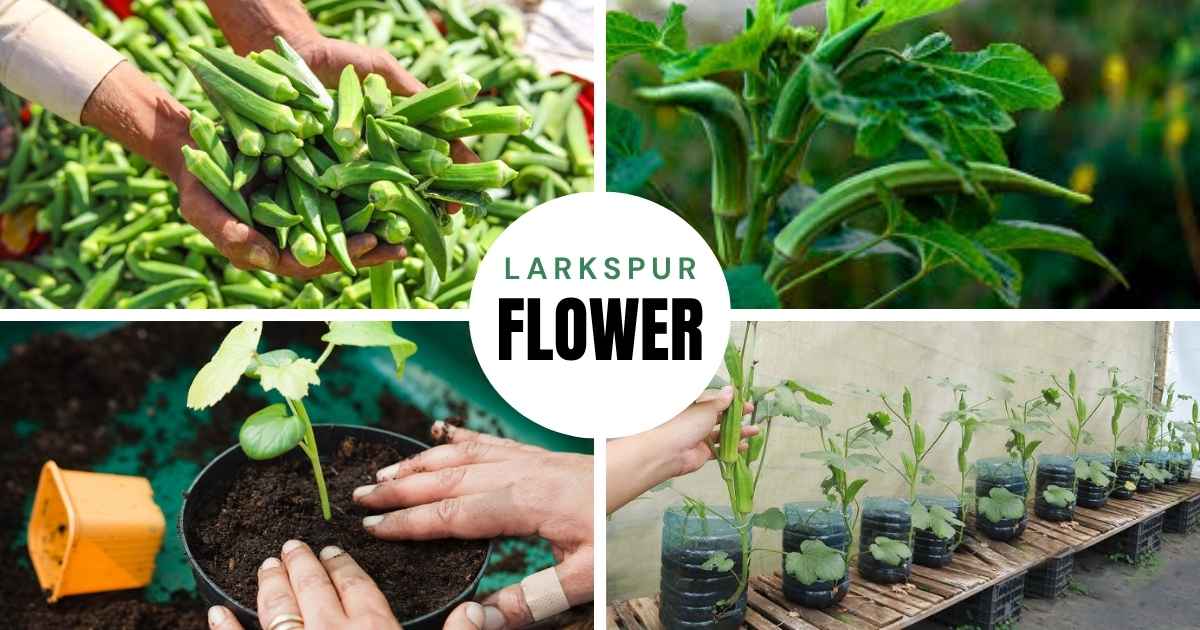
Are you curious about whether your okra plants are getting the right amount of water? For okra to develop robust, fruitful plants that flourish all season long, proper irrigation is essential. Knowing how much, how frequently, and when to water okra (Abelmoschus esculentus) can have a significant impact on the health and yield of your plant, regardless of your level of gardening experience.
We will discuss all you need to know about okra watering in this article, from climate-specific advice to managing soil moisture so that you can harvest a plentiful crop.
9 Best Ways for Successful Okra Watering
Okra watering requirements
Water needs per week
- Rain or irrigation, okra typically requires one to one and a half inches of water per week.
- To prevent plant stress in hot or dry conditions, this amount should be slightly increased.
Okra water requirements: Growth stage
- For seedlings, one inch per week is needed to establish roots.
- Blooming and fruiting: For best pod growth, the need must increase to 1.5 inches each week.
- Mature Plants: To ensure consistent growth, maintain 1 to 1.5 inches of water each week.
Water measurement
To monitor water levels, use a rain gauge or soil moisture sensor. Water deeply yet seldom for optimal effects, since this will strengthen root systems and increase tolerance to drought.
Best time for okra watering
It’s best to water in the morning.
To reduce evaporation and allow the plants time to absorb moisture before the day warms up, water okra early in the morning. Avoid watering in the evening, as this might cause fungal infections and keep leaves damp overnight.
Soil and drainage factors
Select well-draining soil
Loamy or sandy soil that drains well is ideal for okra.
Root rot may result from water collecting around roots due to poor drainage.
Monitor the soil moisture.
Touch the ground with your finger 1-2 inches deep. If it appears dry at that depth, it’s time to water. For more precise measurements, you can also use a moisture meter.
Climate-specific okra watering
In arid and hot climates
To avoid drought stress, water okra two to three times per week in arid regions. To help retain the moisture in the soil, spread mulch around the base. Consider shading young seedlings during periods of extreme heat to protect them from sun damage.
In humid or rainy areas
Decrease watering frequency in wetter areas to prevent overwatering. To avoid fungal problems, encourage good air circulation around the plants. Additionally, using raised beds can help with drainage and shield roots from too much moisture.
Mulching: An effective okra watering technique
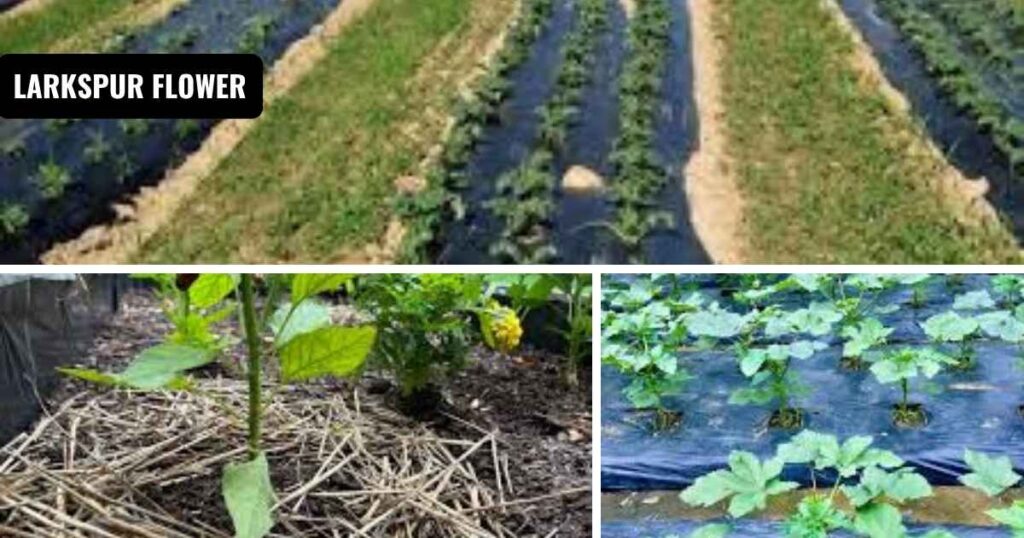
Advantages of mulching
There are several advantages to mulching okra. It keeps roots healthier and more stable by controlling soil temperature, suppressing weeds that compete for water, and retaining soil moisture.
Top mulch options for okra
Dried grass clippings, wood chips, and straw are all suitable substitutes for mulch. To avoid rot, cover each plant with a 2–3 inch layer, keeping it a few inches from the stem.
Okra watering mistakes
Overwatering
Yellowing leaves, root rot, and fungal issues like powdery mildew are all indicators of overwatering. This can be avoided by ensuring adequate drainage in your soil and letting it dry out slightly between waterings.
Underwatering
Your okra is probably underwatered if it exhibits early blooming, drooping or curled leaves, or poor pod development. To help keep the soil wet, mulch and water more frequently and thoroughly.
Okra irrigation techniques
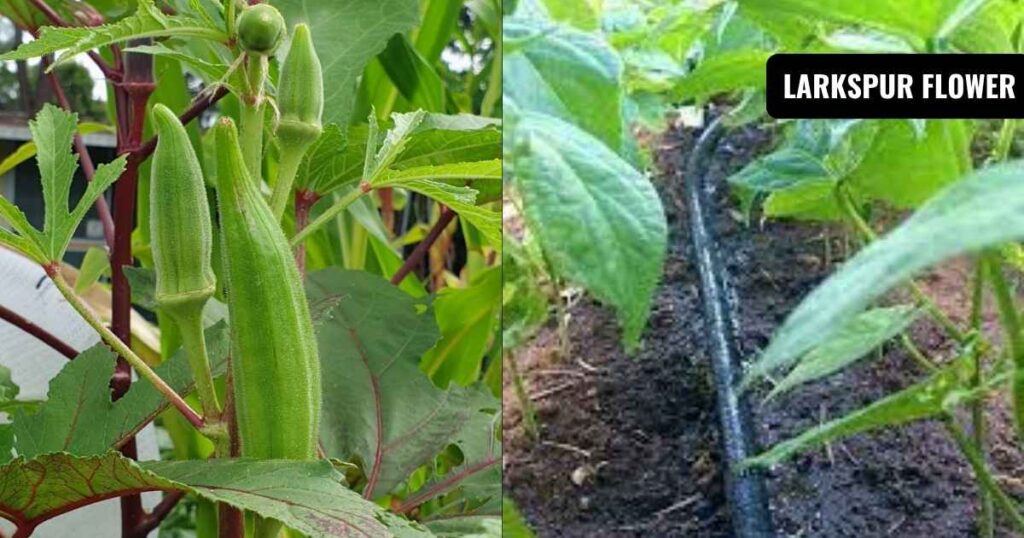
Drip Irrigation
- This method offers deep, gradual irrigation.
- Keeps foliage dry, reducing water waste and preventing disease.
Soaker hoses
- Simple to install and appropriate for okra rows
Watering by hand
- Perfect for little gardens
- Make use of a hose or watering can with a mild spray nozzle.
Okra watering schedule
Week 1
Water twice a week at 70 to 75°F. To aid in seedling establishment without oversaturating the soil, concentrate on gentle, consistent watering.
Weeks 2-4
Increase watering to three times per week as temps reach 80°F or higher. In warmer temperatures, okra requires additional moisture throughout the early stages of vegetative development.
Week 5 and onward
When the temperature hits 85 to 95°F, water two or three times a week, depending on the plant’s size and the heat level, pay close attention to pod production for signs of stress.
Advice
Always adapt watering dependent on rainfall and periodically check soil moisture to prevent overwatering or underwatering.
Seasonal considerations in okra watering
Spring
Maintain a light moisture content in the soil and closely monitor the growth of seedlings in the early spring. When roots are still growing, don’t overwater.
Summer
Water more frequently during the sweltering summer months, especially during heat waves. To slow down the soil’s loss of moisture, add more mulch or make it thicker.
Fall
Water less frequently as the weather cools. Keep in mind that colder soil retains moisture longer, so avoid overwatering on chilly nights.
Professional advice for effective okra watering
Water at the base
Watering okra should always be done at the base of the plant rather than above it. It lowers the risk of fungal diseases by preventing leaves from getting wet.
Mix compost and mulch.
Mulching helps retain soil moisture, while compost improves soil fertility and structure. Together, they offer consistent hydration and overall plant health.
Plants in clusters
Okra plants are simpler to water effectively when grouped in rows, especially when drip irrigation or soaker hoses are being used.
Harvest frequently
Harvesting often reduces stress and stimulates the plant to produce more pods. Additionally, this makes it easier for the plant to employ water for growth rather than seed formation.
Conclusion
Higher yields, healthier plants, and quicker growth can all be achieved with proper okra watering techniques. Knowing what your plants require and watering them often are essential, regardless of the size of your garden. Use the right methods, monitor your soil, and adjust to your surroundings to make sure your okra grows well all season long.
FAQs
How often should I give water to my okra?
For healthy growth, okra needs one inch of water per week. Before you go to the water, research the local environmental situation.
What is the best irrigation system for okra?
The most effective way to water okra is with drip irrigation. It saves water and soaks roots deeply and slowly.
