


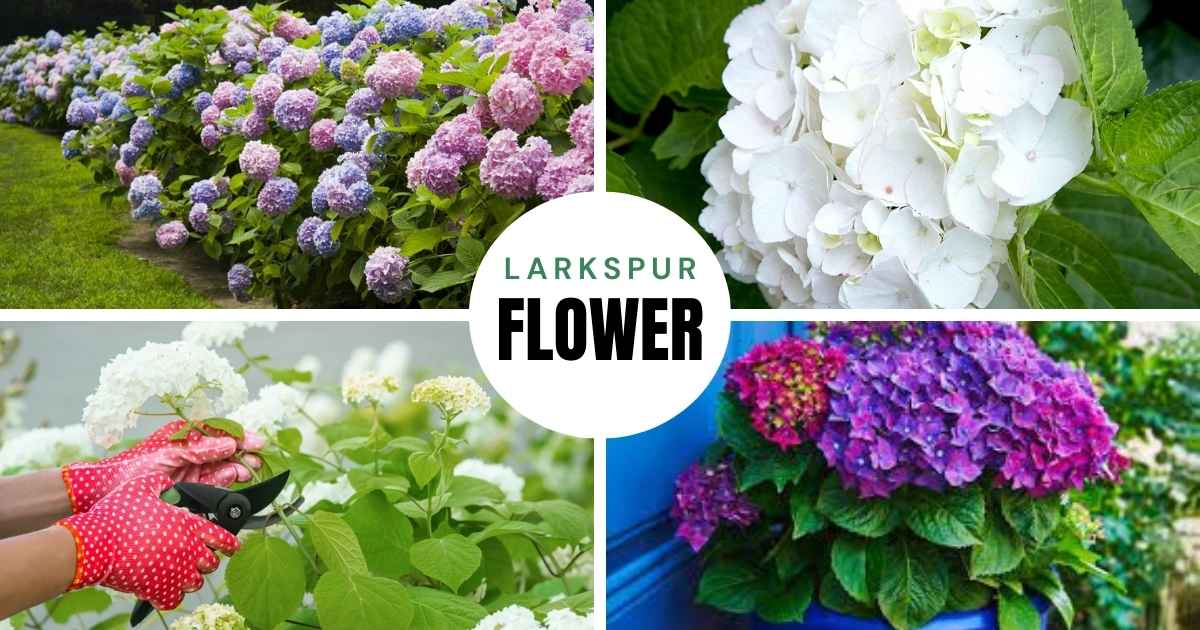
Are your hydrangeas not flowering as well as you had hoped? If you know how to take care of hydrangeas, they may go from being sickly plants to beautiful, healthy bushes. This whole guide goes into great detail about how to care for hydrangeas, whether you have Hydrangea macrophylla, Hydrangea paniculata, or another type. This way, you may enjoy their beautiful flowers year after year.
We will go over everything you need to know about caring for hydrangeas, from picking the appropriate spot to learning how to water and prune them.
10 Surefire Ways to Take Care of Hydrangeas Well
What Are Hydrangeas?
There are more than 70 species of hydrangeas in the botanical genus Hydrangea. The most common varieties are bigleaf hydrangeas, or Hydrangea macrophylla, whose leaves and flowers change color in response to pH. The hardy panicle hydrangea (Hydrangea paniculata) has white flowers in the shape of a cone.
Smooth Hydrangea arborescens has round white flowers that grow in the U.S.
Hydrangea quercifolia, often known as oak-leaf hydrangea, has leaves with lobes that look like oak leaves. Hydrangea anomala petiolaris, often known as climbing hydrangea, goes up walls and fences.
The first step to understanding how to care for hydrangeas well is to know what kind of plant you have.
How to Care for Hydrangeas: Essential Things
Select the Right Place
Taking care of hydrangeas requires the correct climate.
Needs for Light
- Bigleaf and Oakleaf: Like the sun in the morning and the shade in the afternoon.
- Panicle and Smooth: Do well in full sun to light shade.
Stay out of the intense afternoon sun since it can burn foliage and stop flowers from blooming.
Soil is important
Hydrangeas like soil that is rich, somewhat acidic, and drains well.
The best soil pH for each kind
- Hydrangea macrophylla: pH 5.2–6.2 (changes the color of the flowers)
- Hydrangea paniculata: pH 6.0 to 7.0
- Hydrangea arborescens: Not too acidic or too basic
Tip: To make the soil better, add compost or old manure. You may also keep an eye on pH levels with a soil test kit.
Learn how to water plants properly.
To know how to take care of hydrangeas, you need to know how to water them correctly.
How to Water
- New plants need 1 inch of water three times a week.
- Established plants need 1 inch of water once a week.
- Container plants need water every day when it’s hot.
To keep mildew and fungal infections from spreading, always moisten the base and not the leaves.
Prune with a goal
The kind of hydrangea will determine when and how to trim it:
Cutting by Type
- Bigleaf and Oakleaf (Old Wood Bloomers): Cut back after they bloom.
- Panicle and Smooth (New Wood Bloomers): Cut back in late winter or early spring.
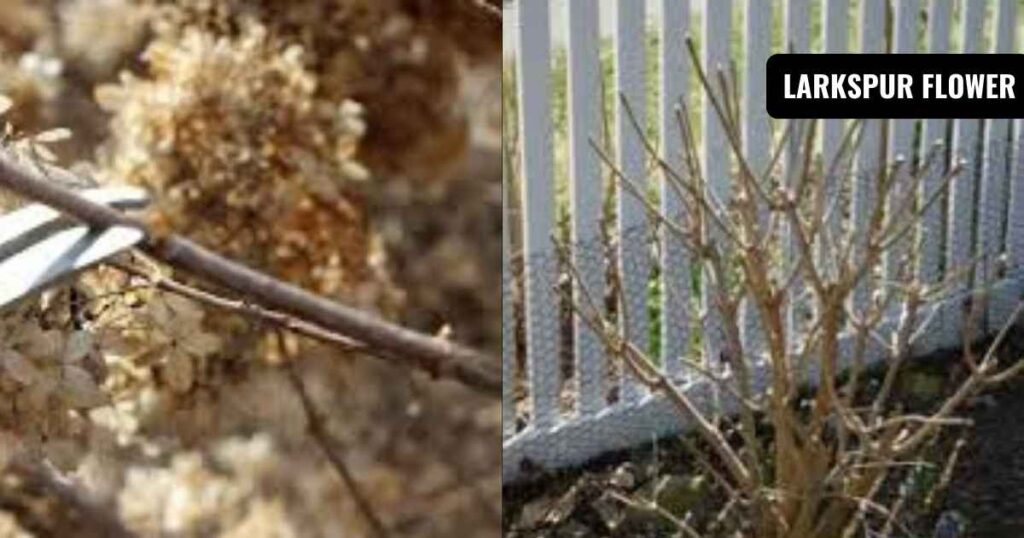
One of the biggest reasons hydrangeas don’t bloom is that they are pruned wrong.
Apply Fertilizer Properly
Fertilizer supports prolific flowers and luxuriant greenery.
Suggested Fertilizer Program
Fertilizer Kind Application Time by Type
- Balanced Bigleaf & Oakleaf (10-10-10) once throughout the spring and summer
- Smooth & Panicle High-phosphorus (5-10-5) Early spring and summer
Steer clear of overfertilizing, as this might encourage leafy growth with fewer blooms.
Take care of pests and diseases.
Hydrangeas are usually tough, although they might have problems.
Common Issues and How to Handle Them
- Aphids: Use insecticidal soap.
- Powdery mildew: Make sure the air flows better, and don’t water overhead.
- Leaf spot: Take off the leaves that are infected and use a copper-based fungicide.
- Slugs and snails: Put organic slug pellets or broken eggshells around the base.
Mulching for health and moisture
Put 2 to 3 inches of organic mulch around the base of the plant.
How is it helpful?
- Keep the soil wet
- Keep the temperature of the soil stable
- Keep weeds from growing
The best mulch ingredients are shredded bark, pine needles, and compost.
Protection in the winter
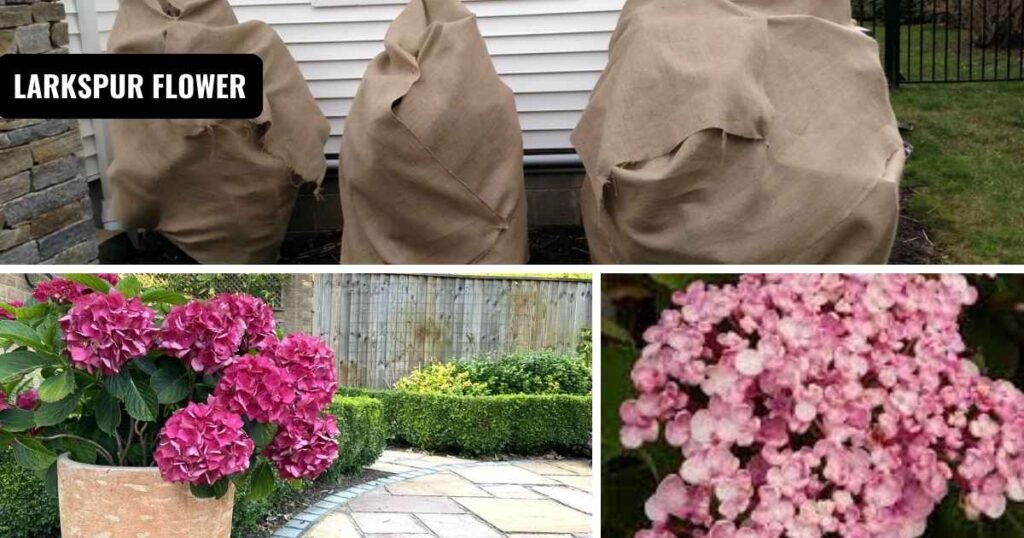
If you stay in USDA zones 3–6, you need to protect your hydrangeas throughout the winter.
How to Get Hydrangeas Ready for Winter
- Put a layer of mulch at the base
- Use burlap or plant coverings to keep the plants warm
- Don’t prune beyond mid-summer
Change the colors of the blooms (Bigleaf only)
The color of bigleaf hydrangeas’ blooms can change depending on the soil’s pH level.
- Aluminum sulfate for blue blooms < 6.0 soil pH.
- Garden lime for pink blooms > 6.5 soil pH.
Before adding anything to the soil, test the pH to make sure it won’t hurt the roots.
Taking care of container hydrangeas
Are you growing hydrangeas in pots? Here are some tips for taking care of hydrangeas in pots:
- Use big pots that have holes on the bottom for drainage
- Use a potting mix with compost that isn’t too heavy.
- Water them more often than plants that are in the ground.
- In severe weather, move the pots to a protected location.
Conclusion: How to care for hydrangeas
Hydrangeas may look vulnerable, but with the right care, enough sunlight, the right amount of water, seasonal pruning, and careful fertilizing, they can grow beautifully in your garden.
These 10 science-based, useful tips will help you learn how to care for hydrangeas so that they grow well and bloom beautifully every season.
These care tips will help you get the most out of these beautiful and famous shrubs, whether you are a pro gardener or just starting.
Frequently Asked Questions on how to care for hydrangeas
What is the ⅓ rule for hydrangeas?
For the successful growth of hydrangeas, the ⅓ rule is essential. It means the removal of ⅓ of the older stems, cut off every summer.
What is the best way to care for hydrangeas?
Hydrangeas grow best in moist, well-drained soil and shady spots.
What is the best way to keep hydrangeas fresh?
You can keep hydrangea flowers fresh by dipping the stems in hot water. You can also dip in alum powder to prevent wilting.
