


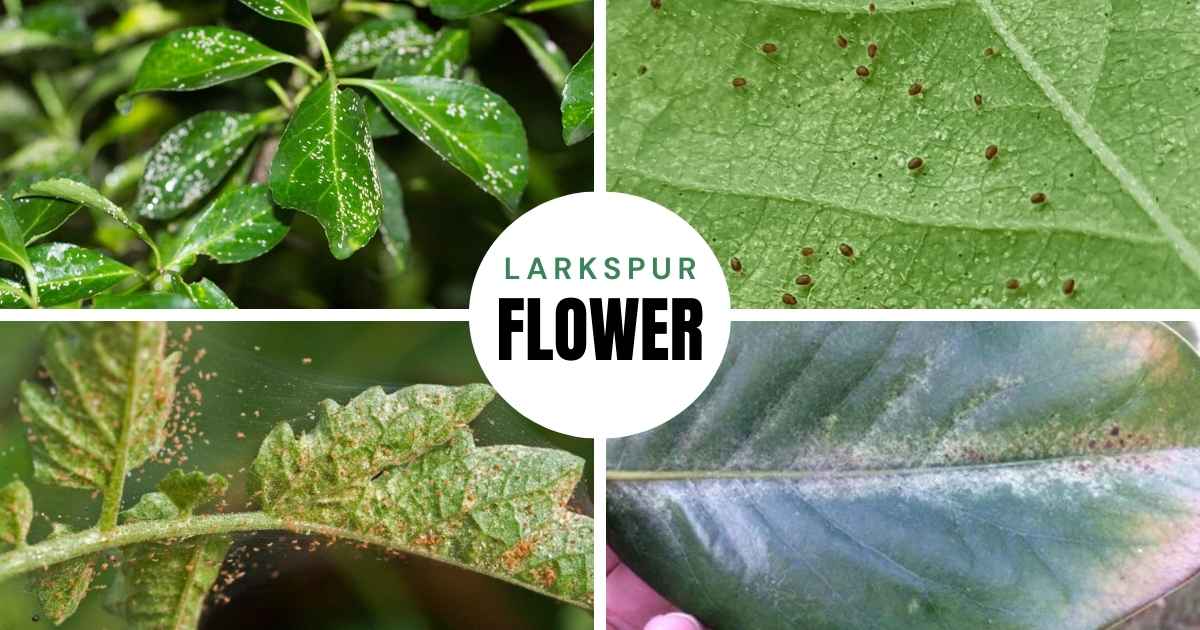
Are you struggling to figure out how to get rid of spider mites infesting your plants? Tetranychidae, the scientific name for these microscopic pests, may cause severe damage to both indoor and outdoor plants, resulting in webbing, yellowed leaves, and general plant stress. This article will teach you how to permanently control and eradicate spider mites using methods supported by research.
10 Quick Ways on How to Get Rid of Spider Mites
What Are Spider Mites?
Spider mites are tiny arachnids that reside on the undersides of leaves and consume plant sap. They are closely related to spiders and ticks. They are a major worry for gardeners and indoor plant enthusiasts because they may grow quickly and flourish in hot, dry environments.
Features
Tetranychus urticae is its scientific name.
Size: 0.4 mm, scarcely perceptible
Typical Host Plants: Houseplants, beans, and tomatoes
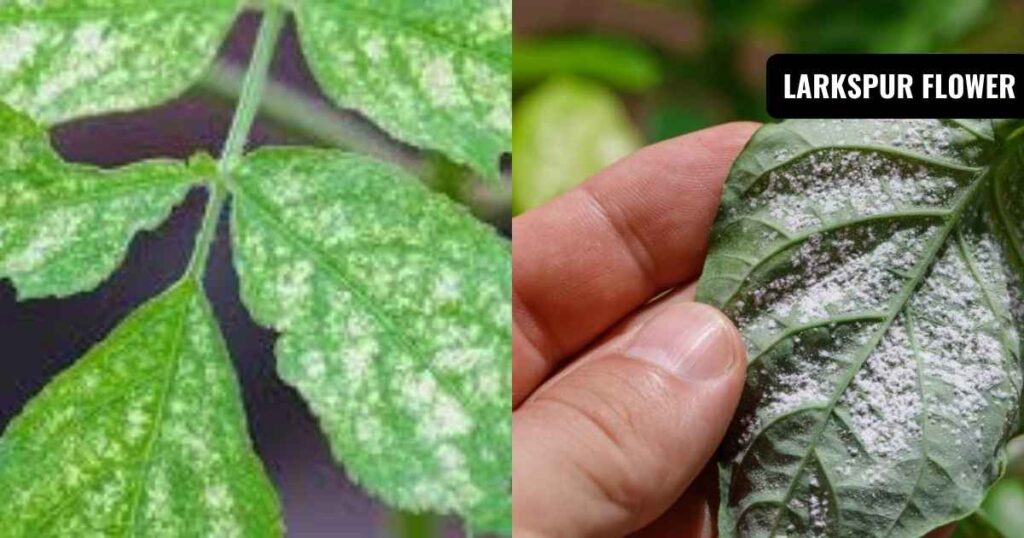
Infestation Symptoms: Leaf drop, speckled leaves, and webbing
How to Get Rid of Spider Mites: A Comprehensive Guide
1. Examine and separate infected plants.
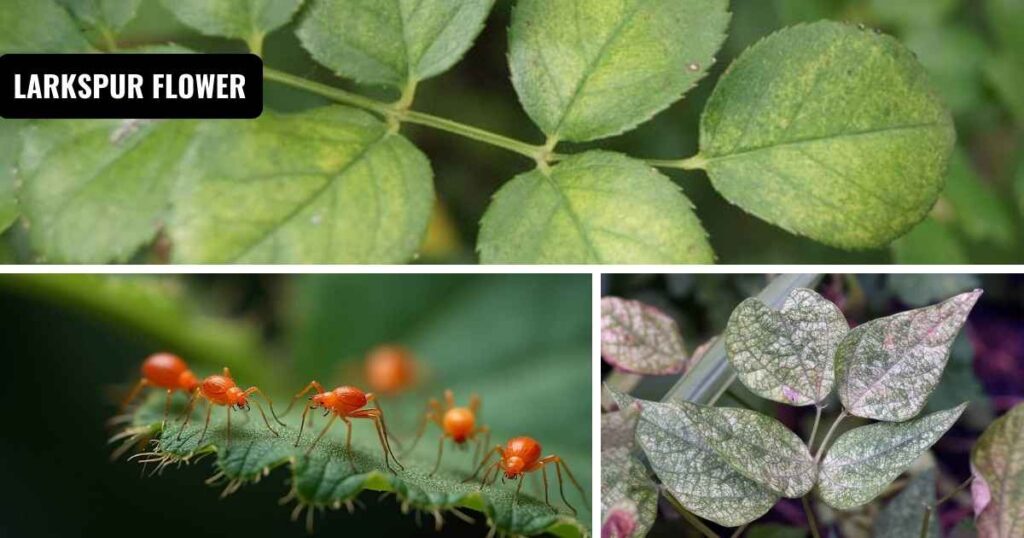
Early detection is the first step in learning how to get rid of spider mites.
- Examine under leaves with a magnifying glass.
- Keep an eye out for dry, curled leaves, yellow patches, and silky webs.
- Quarantine infested plants to prevent spread.
2. Apply a water spray with high pressure.
Washing the mites off is one of the best mechanical techniques.
- Use lukewarm water to mist plants in the sink or outside.
- Pay attention to the undersides of leaves where mites hide.
- To remove new hatchlings, repeat every few days.
Advice: To avoid damaging fragile plants, steer clear of extremely powerful water jets.
3. Sprinkle insecticidal soap on it.
A low-toxicity therapy, insecticidal soap functions by rupturing the mites’ cell membranes.
- Mix as directed on the label.
- Safe for ornamentals and vegetables,
- Reapply every 5-7 days until mites are gone.
- Thoroughly spray, especially under foliage.
4. Treatment with neem oil
The Azadirachta indica tree yields neem oil, a very powerful natural insecticide.
- Serves as a suffocant, insect growth regulator, and repellent.
- Combine one quart of water, two teaspoons of neem oil, and one teaspoon of mild soap.
- Until the infestation is eradicated, apply every seven days.
5. Introduce beneficial insects
A long-term, chemical-free method of eliminating spider mites is biological control.
Phytoseiulus persimilis is a spider mite predator, and Amblyseius californicus is effective in warm climates. Lacewings and ladybugs are general pest control agents.
- For optimal effects, release them early in the infestation.
- Steer clear of applying pesticides in areas where beneficial insects are present.
6. Use horticultural oil.
Mites and eggs are suffocated by horticultural oils such as mineral or canola oil.
- Spray liberally after mixing as instructed.
- Cooler periods of the day are ideal for usage.
- Do not apply in direct sunlight or extreme heat.
7. Raise the humidity
Raising the humidity can inhibit spider mite development since they prefer dry environments.
- Keep a humidifier close to your houseplants.
- To increase the humidity in the air, group plants together.
- Mist leaves sparingly, but do not overwater.
8. Eliminate and destroy infested leaves.
Sometimes the infestation is too severe for a simple spraying.
- Prune any damaged stems or leaves.
- Before throwing them away, seal the cuttings in a plastic bag.
- After using pruning tools, clean them with rubbing alcohol.
9. Use diatomaceous earth (DE)
DE is a thin powder made of silica that damages mites’ exoskeletons to kill them.
- Dust, dirt, and foliage sparingly.
- To prevent inhalation, wear a mask before applying.
- Reapply after rain or watering.
10. Maintain a regular monitoring schedule.
Watchfulness is essential to preventing mites from returning, even after you have eradicated them.
- Examine plants once a week.
- New plants should be quarantined for two weeks.
- Every month, wash the foliage with water or a mild soap.
Conclusion
Keeping plants healthy, particularly in the warmer months, requires knowing how to get rid of spider mites. Spider mites can be safely and effectively controlled and eradicated by combining mechanical, organic, and biological methods. Always adjust your strategy according to the kind of plant you are treating and the extent of the infestation. Your plants will appreciate it if you are consistent and watchful!
Frequently Asked Questions on How to Get Rid of Spider Mites
What is the fastest way to get rid of spider mites?
Spider mites can be eliminated the quickest with insecticidal soap, particularly mineral oils and detergents. The ideal time for spraying is early in the morning or the afternoon.
Can you save a plant with spider mites?
Yes, you can save a plant with spider mites. Remove the bulk of the infestation by putting a plant in a lukewarm shower and spraying it with your insecticidal soap.
Can spider mites infest humans or pets?
Spider mites feed only on plant sap and are harmless to humans and pets.
Can I use vinegar to eliminate spider mites?
Vinegar can harm plant tissue, yet it may kill some mites upon touch. Instead, use neem oil or insecticidal soap.
What is the best way to prevent spider mites?
Maintain a high humidity level, check on things frequently, and avoid plants that are infected.
What is a natural remedy for spider mites?
Rubbing the leaves of a plant with alcohol is a natural remedy to dehydrate and kill the spider mites. Mix 1 part of rubbing alcohol with four parts of water in a bowl, and take a clean cloth to wash the leaves of a plant daily until the mites are dead.
