

Introduction
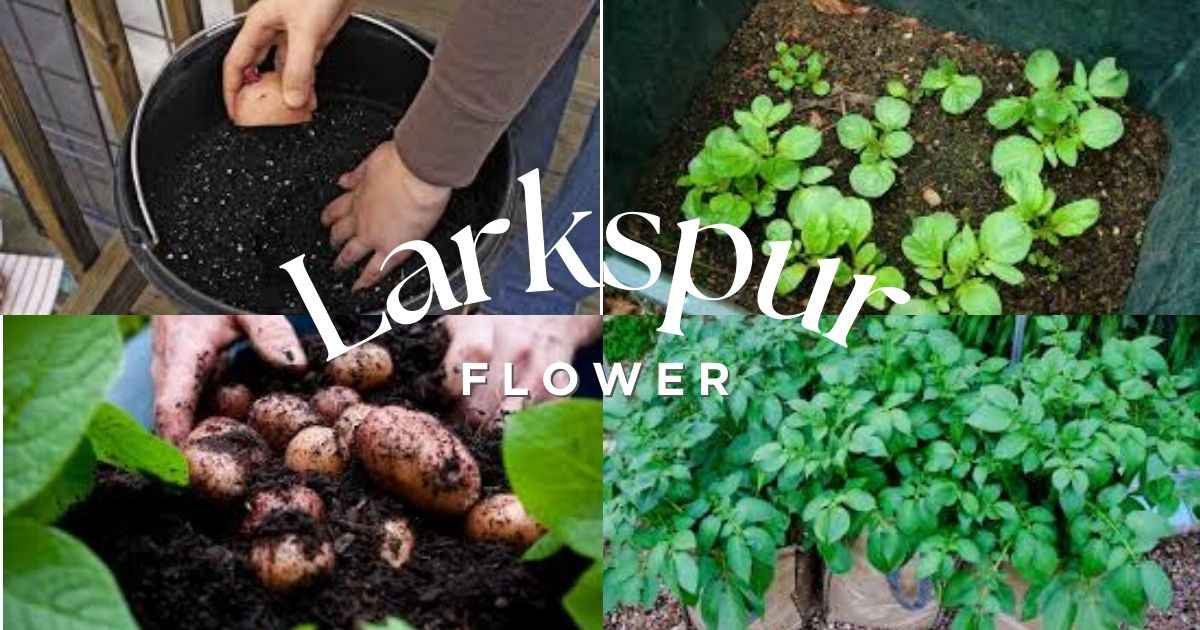
Container planting potatoes are one of the simplest and most space-efficient methods for home growing. Whether you live in an urban apartment with a sunny balcony or in a place with limited garden space, container gardening is the solution to growing your own spuds without available soil. Whether on a patio, balcony, rooftop, or in the backyard, with the proper container, soil mixture, and watering and feeding practices, potatoes will yield an impressive harvest.
This article will cover everything you need to know about planting potatoes in a container, including which containers to use, how to grow them, the seasonal care they require, problems you may encounter, and how best to water your crop.
Why Choose Container Planting Potatoes?
There are many benefits to container planting potatoes versus a plot in the garden:
- Better control of soil quality
- Fewer pests and diseases
- Sunlight and temperature moved about easily.
- Simplified harvesting with less digging
It’s also a little easier (and less time-consuming) to plant potatoes in containers, an appealing option for novice and urban gardeners.
Best Container for Growing Potatoes
Selecting a potato planter is crucial for effective root growth. Is it too shallow a container for them to form?
Ideal Container Options
- Grow bags (10-20 gallons)
- Buckets with drainage holes
- Large pots or planters
- Potatoes in plastic containers, e.g. Storage bins
- Potatoes in milk crates lined with fabric or burlap
The perfect potato-growing containers should be 12-16 inches deep and wide, with ample drainage to prevent root rot.
How to Begin Container Potatoes
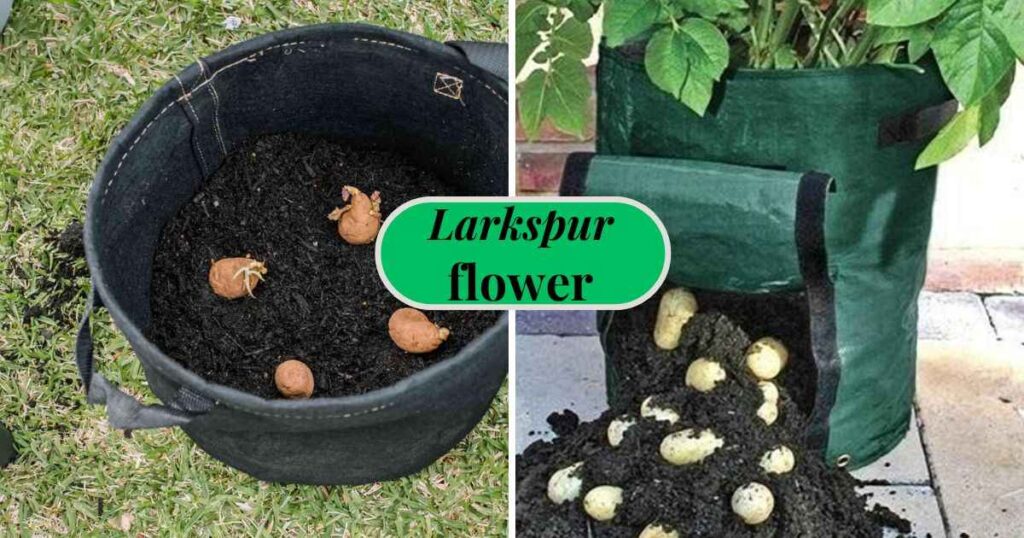
Start container planting of potatoes with certified seed potatoes. Cut larger seed potatoes into chunks that each contain at least one “eye” and let them dry for a day before planting.
Basic Planting Steps
- Fill with 4-6″ of loose, well-draining soil.
- Put the potato seeds in with the eyes up
- Cover with 3-4 inches of soil
- Water thoroughly
- You will also add more soil as plants grow.
Layering in Growing Potatoes in Containers
Cultivating potatoes in a container on layers is considered the best method for achieving maximum yield.
How Layering Works
As the potato plants get larger:
- Backfill around the stems with soil or compost
- Leave the top leaves exposed
- Repeat until the entire jar is filled
This mounding stimulates additional tuber development along the buried stems, thereby increasing yield in container-grown potatoes.
How to Plant Potatoes in Containers Using Straw
Potatoes container-grown with straw are an easy-to-use substitute for mounding. Rather than piling more soil, Gardeners cover it with clean straw or dried leaves.
Benefits of the Straw Method
- Improves airflow
- Retains moisture
- Makes harvesting easier
- Reduces soil compaction
This is a particularly effective way to plant potatoes if you have very warm summers and/or limited space for growing, such as in container gardening.
How to Grow Potatoes in Winter Containers
You can grow potatoes in containers in winter if you live in a warm climate or if you have a greenhouse or indoor space.
Winter Growing Tips
- Stand the pots in a frost-free, sunny position.
- Use insulating materials around containers
- Water more sparingly, as plant growth will be slower.
You may grow potatoes in containers indoors or in greenhouses to garden year-round if the temperature is well-regulated.
Watering Needs and Timing
Knowing when to stop watering container potatoes is key to good storage quality.
Watering Guidelines
- Keep the watering regime regular during flowering and tuber formation.
- Cut back on watering when plants start to yellow.
- Hold the pump for 1-2 weeks before harvest.
Discontinuing watering at the appropriate time also helps prevent rot and hardens the potato skins.
Problems Growing Potatoes in Containers
Even though it is perfect for anyone new to gardening, you might encounter some issues when growing potatoes in containers.
Common Issues
- Poor drainage is causing rot
- Overcrowding leading to small potatoes
- Excessive heat stresses roots
- Inconsistent watering
Many issues when growing potatoes in containers can be avoided by using the right container size, the right soil, and a watering schedule.
Containers and Crates as Planters for Potatoes
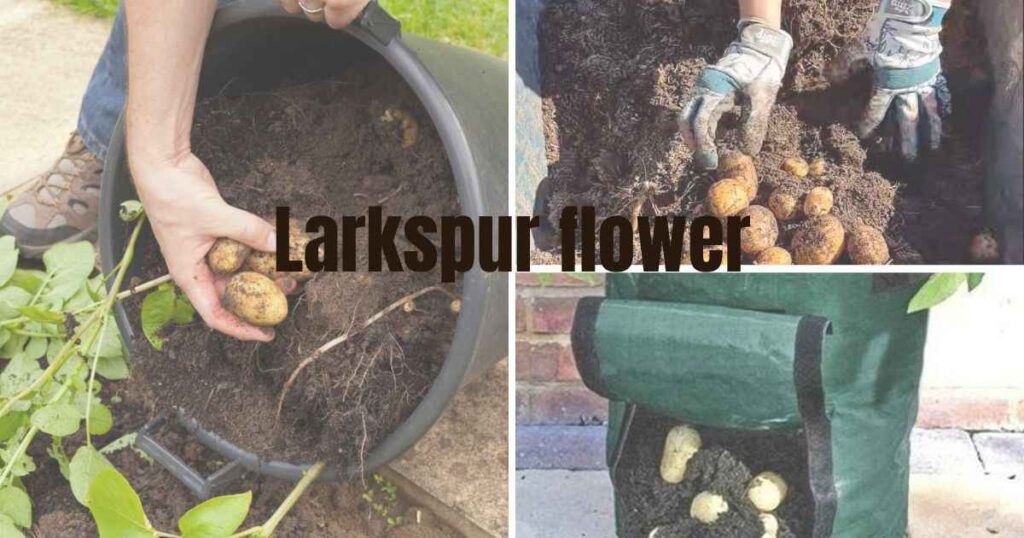
Potatoes in plastic tubs are a cheap, easy option. Just ensure adequate drainage holes.
You can also try growing potatoes in milk crates. Line the crates with landscape fabric to contain soil while allowing airflow. These techniques are great for growing potatoes in containers so that you can grow them in a small space.
Harvesting Container-Grown Potatoes
Potatoes are ripe when the plants naturally die back. Just turn the pot over and gather your potatoes; one of the most significant benefits of growing potatoes in containers.
Conclusion: Container Planting Potatoes
Potato container planting is a versatile and easy way to enjoy success with potatoes in nearly any living situation. From container selection to the art of layering, watering, and seasonal care, it provides maximum control over all factors, making harvesting easier, whether experimenting with growing potatoes in straw, plastic bins, or milk crates. Container planting potatoes is the ultimate harvest, where eager hands will stretch to dig and give you the fruits of your labor.
FAQs About Container Planting Potatoes
Potatoes in Containers Really?
Yes, potatoes can be grown in containers and are among the most rewarding vegetables to grow.
How deep should a container be for potatoes?
Plant in containers that are at least 12-16 inches deep to facilitate tuber growth.
How many potatoes can a bin produce?
One container can produce 2-5 pounds (small buckets yield less, while large or extended containers yield more)!
Do container potatoes need fertilizer?
Container-grown potatoes grow better if you feed them lightly with compost or a balanced fertilizer.
Is it safe to reuse soil after harvest?
Yes, but while there, you should freshen it up with compost before replanting.
